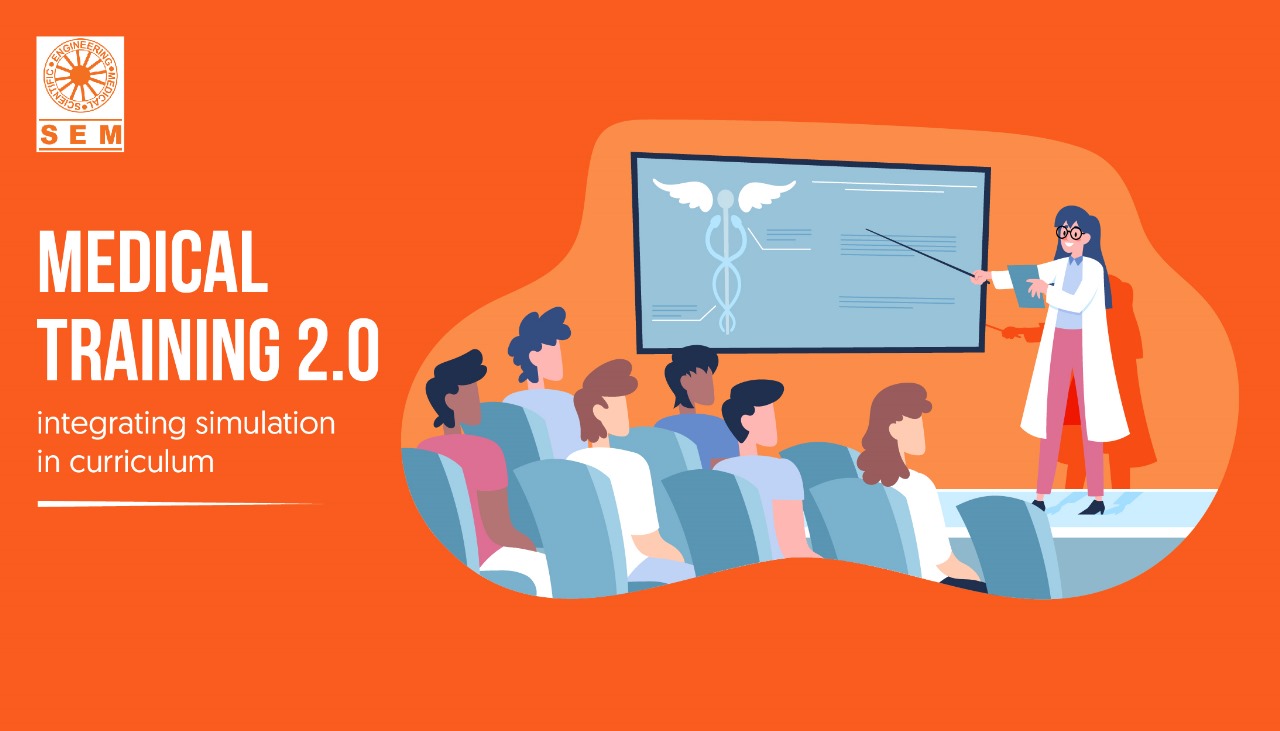
Medical Training 2.0- integrating simulation in curriculum

Medical Training 2.0- integrating simulation in curriculum.

In the ever-changing realm of medical education, a transformative shift is underway: Medical Training 2.0. This evolution entails the integration of cutting-edge simulation techniques into the curriculum, reshaping how future healthcare professionals learn and excel. At SEM Trainers and Systems, we’re at the forefront of this educational revolution, offering state-of-the-art medical manikins and simulators designed to elevate medical training to new heights. Also as Per the New NMC (National Medical Commission ) Guidelines wherein they have insisted on Clinical Simulation Skills Lab and Manikins for Department of Pharmacology. The Need for  Integration is a top priority.

Seamless Learning Experience

Gone are the days of traditional textbook learning. The new Medical Training introduces an immersive approach where learners actively engage in lifelike scenarios. By integrating simulation into the curriculum, students step into the shoes of medical professionals, practicing procedures, diagnosis, and response to emergencies in a safe and controlled environment.

Why Simulation Matters

Simulation-based learning brings a multitude of benefits to medical education:

  1. Realistic Practice: Our simulators mirror human anatomy and physiology with astounding accuracy, enabling learners to perform procedures just as they would on real patients.
  2. Mistakes as Stepping Stones: In a risk-free environment, trainees can make mistakes, learn from them, and refine their skills without endangering patient lives.
  3. Team Collaboration: Healthcare is a team effort. Our simulators facilitate collaborative training scenarios, promoting effective communication and teamwork among future medical professionals.
  4. Instant Feedback: With smart feedback technology, trainees receive immediate insights into their performance, helping them pinpoint areas for improvement.
  5. Tailored Learning: Every learner’s journey is unique. SEM Trainers’ simulators allow educators to customize scenarios to match individual skill levels, fostering personalized growth.

SEM Trainers’ Cutting-Edge Simulators

Our commitment to revolutionize medical education led us to distribute  Anatomical Models along with Advanced simulators – Task trainers – Low -Moderate – High Fidelity Manikins and also Virtual Dissection Table  that align seamlessly with the advanced Medical Training:

  1. Lifelike Realism: Our simulators replicate human responses, from palpable pulses to reactive pupils. This authenticity ensures learners build confidence for real-world situations.
  2. Comprehensive Versatility: Whether it’s surgical practice, emergency response, or diagnostic procedures, our simulators cater to a wide spectrum of medical disciplines.
  3. Guided Progress: Trainees receive real-time data on their performance, empowering them to track progress and work on areas that need enhancement.
  4. Adaptable Scenarios: Educators can customize scenarios, ensuring learners face challenges that suit their learning stage, gradually building their competence.

Embracing the Future

As we march forward into the future of medical education, the importance of simulation in the curriculum cannot be overstated. These days students are equipped with not just theoretical knowledge but also practical expertise, nurturing well-rounded professionals ready to tackle the complexities of the healthcare world.

So, are you ready to Elevate Your Medical Training?

Join us in this educational revolution. At SEM Trainers and Systems, we invite you to explore our Turn Key range of state-of-the-art medical manikins and simulators. Prepare your learners for success by offering them an unparalleled learning experience that combines realistic practice and tailored growth paths.

The integration of simulation into the curriculum empowers learners with hands-on experience, practical skills, and confidence to excel in their careers and hence, SEM Trainers’ and Systems advanced simulators are your gateway to embracing this revolution, shaping the healthcare professionals of tomorrow.
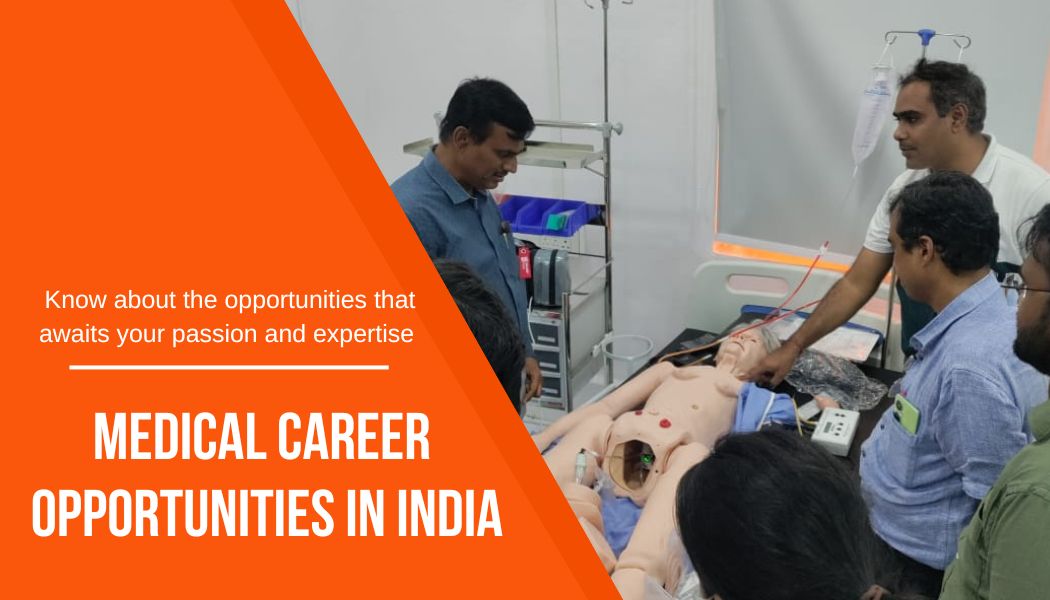
 

Medical Career opportunities in India

Medical education in India, are you ready to embark on a rewarding journey of healing and compassion? India’s medical landscape, including NMC (National Medical Center) is brimming with a myriad of exciting career opportunities that await your passion and expertise. Whether you dream of becoming a skilled doctor, a compassionate nurse, or a cutting-edge medical researcher, we at SEM Trainers and Systems are here to guide you with our state-of-the-art medical manikins and simulators that will elevate your learning experience to new heights. Join us as we explore the dynamic world of medical careers and clinical skills lab in India. 

Become a Doctor – Your Gateway to Healing Hearts: Dream of making a profound impact on people’s lives? As a doctor, you hold the power to heal, cure, and bring hope to the ailing. From diagnosing complex conditions to administering life-saving treatments, the journey of a medical practitioner is both challenging and fulfilling. At SEM Trainers, we provide high-fidelity medical manikins and simulators that ensure you are well-prepared to face real-life scenarios with confidence and precision. Step into the shoes of a doctor and experience the thrill of saving lives right from your learning environment!

Nursing – Where Compassion Meets Care: Do you possess a nurturing spirit and a heart full of compassion? A career in nursing could be your perfect fit! Nurses are the backbone of healthcare, offering unwavering care and support to patients during their most vulnerable moments. With SEM Trainers’ advanced simulators you get to experience an advanced nursing skill lab where you can develop hands-on skills, such as wound dressing, administering medication, and monitoring vital signs, all while cultivating the empathy that defines a truly exceptional nurse.

Embark on a Journey of Medical Research: Are you driven by curiosity and a thirst for knowledge? Medical research opens doors to groundbreaking discoveries that shape the future of healthcare. From uncovering innovative treatments to exploring cutting-edge technologies, researchers play a pivotal role in advancing medical science. SEM Trainers’ lifelike manikins facilitate simulated experiments and procedures, allowing aspiring researchers like you to learn, analyze, and innovate in a risk-free environment.

Allied Health Professions – Beyond Conventional Choices: Medical careers go beyond doctors and nurses! India’s healthcare system relies on various allied health professionals like physiotherapists, occupational therapists, and medical laboratory technicians. SEM Trainers’ versatile simulators cater to the specialized needs of these professions, offering hands-on training with simulation skill lab to develop your skills and expertise in a diverse range of healthcare domains.

Health Administration – Managing Excellence: Do you possess excellent organizational and leadership skills? A career in health administration allows you to oversee and optimize healthcare operations, ensuring the smooth functioning of medical facilities. SEM Trainers’ comprehensive range of simulators provides a simulated hospital setting for aspiring healthcare administrators to refine their decision-making abilities and strategic acumen.

The world of medical careers in India is teeming with incredible opportunities that promise fulfillment, growth, and the chance to positively impact lives. Whatever you aspire to be in your medical journey, SEM Trainers is your partner in realizing your dreams! With our cutting-edge medical manikins and simulators, your learning experience will transcend boundaries, allowing you to become a confident and competent healthcare professional. Embrace the incredible possibilities that await you, and let SEM Trainers be your trusted guide on this extraordinary journey of healing and transformation!

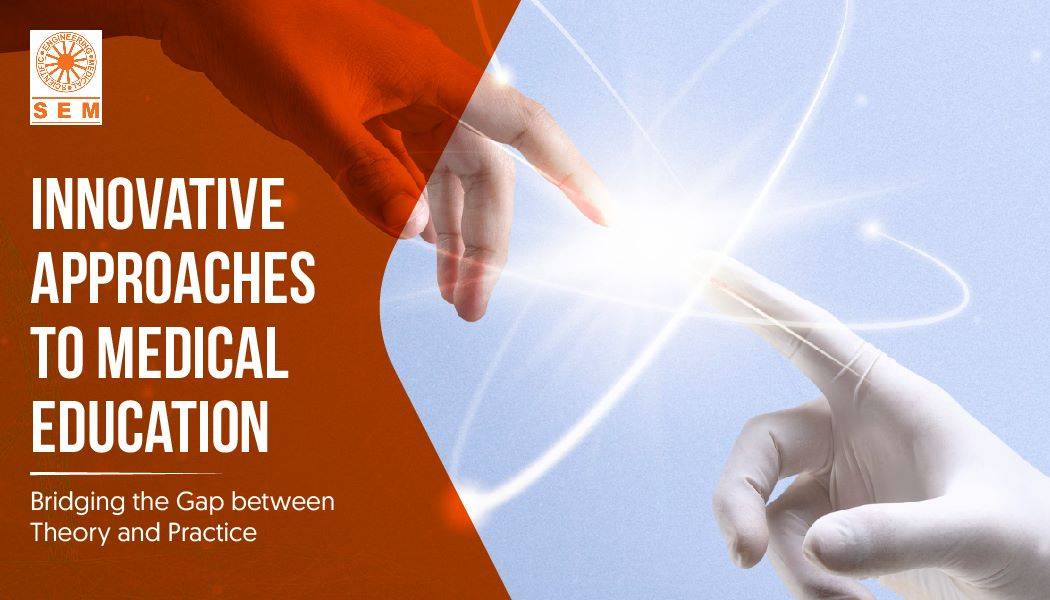
Innovative Approaches to Medical Education!

Innovative Approaches to Medical Education: Bridging the Gap between Theory and Practice

In the ever-evolving field of medicine, staying updated with the latest research, technologies, and techniques is crucial for healthcare professionals. The National Medical Commission too believes that Medical education plays a vital role in equipping future doctors, nurses, and healthcare practitioners with the knowledge and skills they need to provide high-quality patient care. However, there has always been a challenge in bridging the gap between theoretical knowledge gained in classrooms and real-life clinical practice. In this blog post, we will explore innovative approaches to medical education that address this gap and enhance the learning experience for aspiring medical professionals.

Simulation-Based Training:

Simulation-based training has emerged as a game-changer in medical education. By replicating real-world scenarios using medical manikins and other sophisticated tools, students can actively engage in practical learning experiences. These simulations provide a safe environment to practice clinical skills, make critical decisions, and learn from mistakes without compromising patient safety in the skill lab.

Virtual Reality (VR) and Augmented Reality (AR):

Advancements in technology have opened up new possibilities in medical education. Virtual reality and augmented reality have revolutionized the learning process by creating immersive and interactive experiences. Through VR and AR applications, students can visualize complex anatomical structures, perform virtual surgeries, and participate in realistic clinical simulations. These technologies provide a unique opportunity to bridge the gap between theory and practice, allowing students to develop crucial skills in a controlled and dynamic virtual environment.

Problem-Based Learning :

Problem-based learning is an approach that encourages students to actively participate in solving real-life medical cases. Instead of passively absorbing information, students work in small groups to analyze patient scenarios, identify knowledge gaps, and research potential solutions. PBL promotes critical thinking, collaboration, and decision-making skills, mirroring the challenges faced in real clinical settings. By tackling authentic cases, students gain a deeper understanding of medical concepts and learn how to apply them in practice.

Interprofessional Education (IPE):

In the healthcare field, collaboration between different healthcare professionals is crucial for optimal patient outcomes. Interprofessional education brings together students from various disciplines, such as medicine, nursing, pharmacy, and allied health, to learn with, from, and about each other. By working in interprofessional teams, students gain an appreciation for the roles and perspectives of different healthcare providers, improving communication, teamwork, and patient-centered care.

Innovative approaches to medical education are transforming the way aspiring healthcare professionals learn and prepare for their careers. Simulation-based training, virtual reality and augmented reality applications, problem-based learning, and interprofessional education are just a few examples of the methods being employed to bridge the gap between theory and practice. These approaches not only enhance the learning experience but also improve patient safety and outcomes by equipping future healthcare professionals with the necessary skills and competencies.

To enhance medical training experiences further, we at SEM Trainers offer a range of high-quality medical manikins that facilitate realistic simulations. These manikins provide students with hands-on practice in a safe and controlled environment, ensuring they are well-prepared for real-world clinical challenges.

Incorporating these innovative approaches into medical education can revolutionize the learning experience and produce highly competent healthcare professionals. As the healthcare landscape continues to evolve, it is essential to embrace these advancements and empower the next generation of medical professionals with the tools and knowledge they need to excel.

Read more content similar to this: https://www.ncbi.nlm.nih.gov/books/NBK217683/

Get in touch with us now! https://www.semtrainers.com/contact-us


Social Media and its impact on Healthcare:

Social media has revolutionized how we connect and communicate, transforming various industries, including healthcare. Online communities on social media platforms have become powerful tools for healthcare professionals, organizations, and medical training. In this blog, we will explore the profound impact of social media on healthcare and how it leverages the power of online communities. We will also discuss the essential role of medical manikins in healthcare training and how SEM Trainers can serve as a one-stop shop for medical simulation needs.

Building Awareness and Education: Social media platforms provide an extensive reach, making them effective channels for raising awareness about health conditions and diseases. Healthcare organizations, medical professionals, and medical manikin websites can utilize social media to share valuable information, articles, infographics, and videos. By incorporating SEO-friendly keywords and relevant hashtags, they can ensure their content reaches the intended audience. This not only helps people understand their health better but also promotes preventive measures, early diagnosis, and access to appropriate treatments. Through social media, medical manikin websites like us at SEM Trainers can educate healthcare professionals and students about the importance of practical training with lifelike simulators.

Patient Support and Empowerment: Social media has created online communities where patients can connect, share experiences, and find support. This is particularly significant for individuals living with chronic illnesses, rare diseases, or mental health conditions who often feel isolated. Social media platforms provide a safe space for patients to ask questions, seek advice, and exchange emotional support with others facing similar challenges. Medical manikin websites can leverage social media to contribute to these communities by sharing resources, training tips, and success stories of healthcare professionals using simulators to improve patient care. By doing so, they empower patients to become advocates for their own health while emphasizing the importance of practical training with medical manikins.

Real-time Communication and Feedback: Social media platforms enable instant communication between healthcare providers, patients, and the general public. This real-time interaction allows medical professionals to address queries, provide accurate information, and debunk misinformation promptly. Patients can connect with healthcare providers directly, reducing barriers to access and fostering a patient-centered approach. Furthermore, social media serves as a valuable tool for gathering feedback and insights from patients, which can help medical manikin websites like us at SEM Trainers to enhance our simulators’ features and tailor our products to meet the needs of healthcare professionals and students effectively.

Research and Data Collection: The vast amount of data generated on social media platforms presents an immense opportunity for healthcare research. By analyzing trends, discussions, and sentiments, researchers can gain valuable insights into public health concerns, emerging diseases, and treatment outcomes. Social media data can help identify patterns, track disease outbreaks, and contribute to epidemiological studies. Additionally, we can utilize social media surveys and polls to gather data quickly and efficiently. This valuable information can be used to understand the training needs of healthcare professionals, improve medical manikin design, and advance medical simulation techniques for better patient outcomes. https://www.ncbi.nlm.nih.gov/pmc/articles/PMC4103576/

To unlock the full potential of healthcare training, explore the comprehensive range of medical manikins and simulation solutions available at SEM Trainers today. As a one-stop shop for medical simulation needs, SEM Trainers offer a wide range of high-quality medical manikins and simulation equipment. https://www.semtrainers.com/contact-us


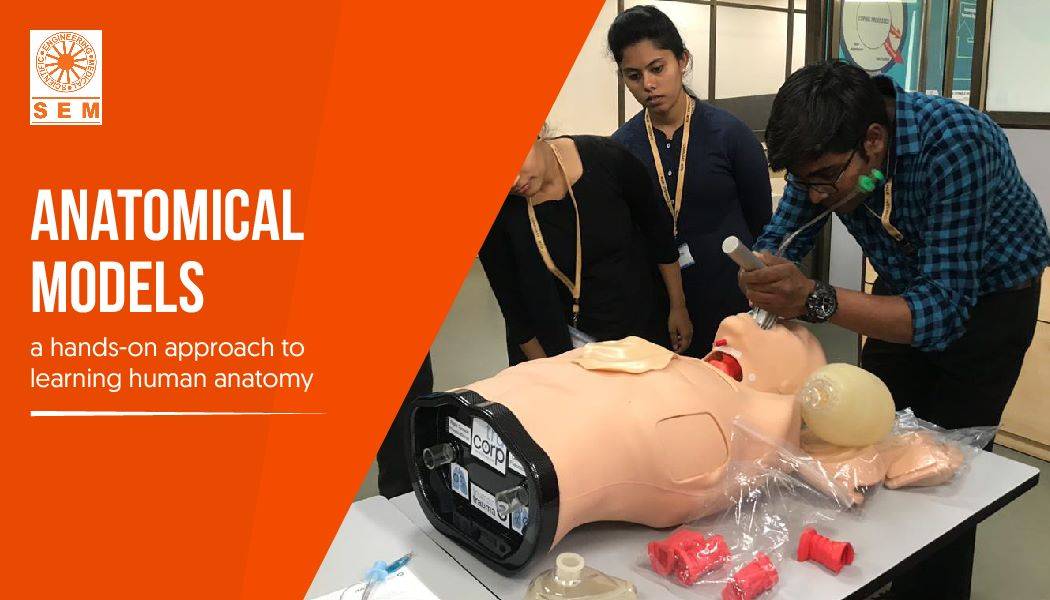
Anatomical Model: A hands-on-approach to learning Human Anatomy

We’ll get to learn about Anatomical Models today. Human anatomy is a fascinating subject that plays a crucial role in various fields, including medicine, biology, and healthcare. Understanding the intricacies of the human body can be challenging, but with the help of anatomical models, learning becomes more accessible and engaging. Anatomical models are educational tools that provide a hands-on approach to studying human anatomy. In this blog post, we will explore the benefits of using anatomical models, how they enhance the learning experience, and why they are considered invaluable resources for students, healthcare professionals, and enthusiasts alike.

Benefits of Anatomical Models: 

Anatomical models offer several advantages over traditional learning methods, such as textbooks or two-dimensional illustrations. Here are some key benefits:

Benefits of Anatomical Models: 

Anatomical models offer several advantages over traditional learning methods, such as textbooks or two-dimensional illustrations. Here are some key benefits:

  1. Visual Representation: Anatomical models provide a three-dimensional representation of the human body, allowing learners to visualize and understand complex anatomical structures accurately. This visual aspect aids in memory retention and comprehension.
  2. Hands-On Experience: Unlike passive learning methods, anatomical models encourage hands-on exploration. By physically interacting with the models, learners can develop a tactile understanding of human anatomy, enhancing their grasp of the subject matter.
  3. Interactive Learning: Anatomical models often come with movable parts and removable organs, enabling learners to observe the internal structures and their relationships. This interactive experience fosters active learning and promotes a deeper understanding of the human body.
  4. Realistic Reproduction: Anatomical models are meticulously designed to resemble actual human anatomy. The accuracy and realism of these models enable learners to study various anatomical systems, organs, and structures in detail, enhancing their overall comprehension.

Application in Education and Healthcare: Anatomical models have found widespread application in educational institutions and healthcare settings. Let’s explore how they are used in these fields:

  1. Education: Anatomical models are extensively used in medical schools, nursing programs, and other educational institutions. They serve as invaluable tools for anatomy classes, allowing students to study and explore the human body in a tangible way. These models aid in teaching and learning processes, enabling students to grasp complex anatomical concepts more effectively.
  2. Professional Training: Healthcare professionals, such as doctors, surgeons, and nurses, often use anatomical models to enhance their training. By practicing on models that closely resemble real human anatomy, professionals can refine their skills, improve their understanding of surgical procedures, and enhance patient care.
  3. Patient Education: Anatomical models play a vital role in patient education. By using models to explain medical conditions and procedures, healthcare providers can effectively communicate complex information to patients. This visual representation helps patients understand their diagnoses, treatment plans, and potential outcomes.
  4. Research and Innovation: Anatomical models contribute to research and innovation in the medical field. They aid in the development and testing of new medical devices, surgical techniques, and treatment methods. These models allow researchers to simulate and study anatomical scenarios, improving patient outcomes and advancing medical knowledge.

Anatomical models are invaluable resources for learning human anatomy. Their hands-on approach, visual representation, and interactive nature make them highly effective educational tools. Whether in educational institutions, healthcare settings, or for personal study, anatomical models enhance the learning experience and facilitate a deeper understanding of the complexities of the human body. By providing a tangible and realistic representation of human anatomy, these models play a crucial role in educating students, training healthcare professionals, and improving patient care. Embracing the use of anatomical models ensures that learning human anatomy becomes an engaging and enlightening journey for all.

At SEM Trainers, we understand the importance of high-quality anatomical models in medical training. We are committed to providing the best anatomical models that meet the needs of students, educators, and healthcare professionals. Our extensive collection features a wide range of models, meticulously crafted to resemble real human anatomy with exceptional accuracy.

Invest in the best anatomical models from SEM Trainers and unlock the full potential of your medical training. Explore our collection today and embark on a journey of comprehensive and effective anatomical education.

Contact | SEM Trainers – Supplier of Medical Manikins and Simulators – Valsad


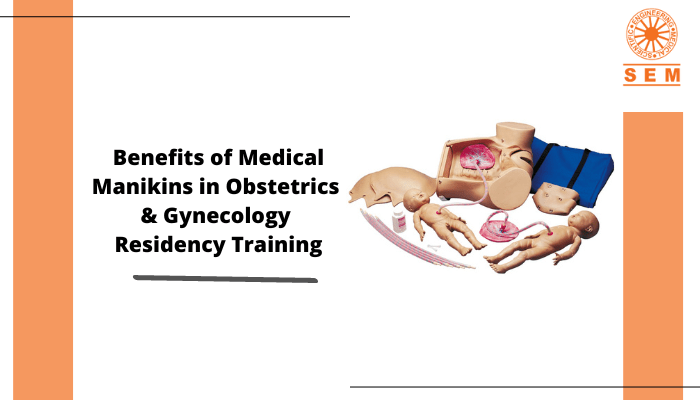
Benefits of Medical Manikins in Obstetrics & Gynecology Residency Training

Around 46% of all maternal deaths and 40% of neonatal deaths happen during labor or within the first 24 hours after birth.

Manikins and simulators help build relevant obstetric and gynecological skills that prepare and equip them with the skills to handle obstetric emergencies, and endoscopic and laparoscopic surgeries like hysterectomy, salpingectomy, oophorectomy, and access to the abdomen. Simulation gives them a platform to engage in hands-on practice for standard delivery, postpartum hemorrhages, massive blood transfusion, fetal malpresentation, vaginal hysterectomies, amniotic fluid emboli, etonogestrel implant insertions, shoulder dystocias, among others, improving the quality of care available to people.

The benefits of incorporating medical manikins in obstetrics and gynecology residency training are paramount and extensive, making it an indispensable tool in the field.

Benefits of Medical Manikins in Obstetrics and Gynecology Residency Training

1. Experience

Only 3.6% of obstetrics and gynecology residents feel confident in their ability to perform robotic surgery without further training. This lack of confidence may be attributed to a lack of opportunities to gain that experience. For example, all emergency and life-threatening cases are assigned to experts, leaving others to watch or assist, depriving them of the potential hands-on experience. Medical manikins and simulators solve that problem as they provide the opportunity for hands-on experience in a safe, controlled environment and for a wide range of scenarios.

2. Accessibility

Given the sensitivity of obstetrics and gynecology, simulation can be an effective tool in letting students practice difficult skills and procedures. Medical manikins and simulators are also able to create situations where students can practice procedures that are hard to reproduce otherwise, need repeated practice, or contain high-fidelity scenarios. And all this is made possible without posing any risk, inconvenience, or discomfort to real patients.

3. Transitional

Manikins and simulators bridge the gap between theory and practical as they prepare learners for the real thing. Although these aren’t real patients or real situations, that doesn’t make it ineffective. When a learner enters such a carefully planned simulation scenario with manikins, simulators, actors, and stories, it gets real very, very fast. The manikins also look and respond like real patients. Using manikins for training these obstetric and gynecological skills is therefore pivotal in making sure students don’t enter the working field feeling unprepared or unequipped to deal with the exigencies of the real hospital setting.

4. Skill-building

Through repeated hands-on practice, manikins and simulators are able to build diverse skills in learners- skills that cannot all be cultivated as well through theoretical teaching paradigms alone. In addition to specific clinical skills, it is effective at building interprofessional communication skills, teamwork skills, decision-making skills, and emotional skills that allow them to effectively communicate with patients or distressed family members. In fact, simulation can elevate the skill levels of first and second-year residents to that of third and fourth-year residents. Additionally, it can also be used to teach new skills to experienced professionals.

5. Knowledge Acquisition and Retention

Repeated practice is also great at cementing the fundamentals into the learners’ minds. Not only do they understand concepts better and in more detail, but they also retain the learned information for longer, studies show.

6. Encourages Improvement

Through simulation and its ability to provide real-time feedback, medical manikins are able to identify which skills need more work for each individual learner, leaving no stone unturned. Additionally, the simulation may also identify facility organizational and equipment issues.

7. Better Maternal-Fetal Outcomes

Since manikins and simulators are able to allow learners the ability to practice without the consequences of making mistakes, it gives them the freedom to explore. Through this, it is able to teach in a way that is unsurpassed. This translates to knowledgeable students that graduate into professionals who know what they are doing. And ultimately, this improves maternal-fetal outcomes as it helps these professionals take crucial decisions at the right time.

Through simulation, real-time feedback, assessment, and debriefing, medical manikins, and simulators can achieve new heights for obstetrics and gynecology training and form an integral part of the training of medical residents.

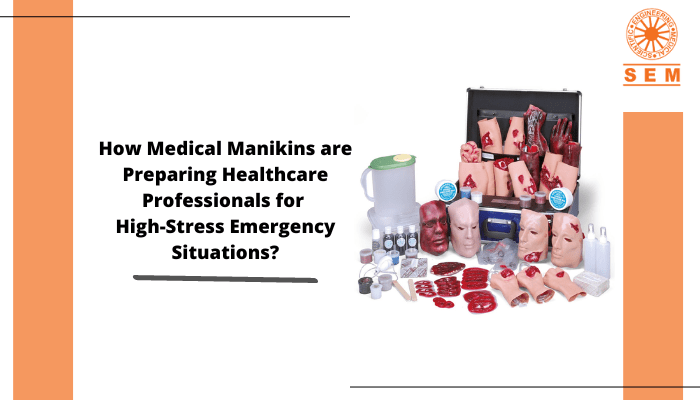
How Medical Manikins are Preparing Healthcare Professionals for High-Stress Emergency Situations?

Saving lives is challenging enough without the added pressure of emergency. But day and night, doctors and nurses have to tend to those in the emergency ward.

When you are in a position to save a life, a lot is at stake and you need to do the right thing at the right time. But in a high-stress situation like that, it can be easy to overlook certain details and make a wrong decision. For example, when a patient loses consciousness, one may start delivering chest compressions without checking the vitals first.

Simulation can Provide Unmatched Exposure in Emergency Situation

Theory alone does not suffice to make these students capable enough to deal with whatever emergency situation comes along. But with the state-of-the-art manikins and simulators available today, instructors are able to set up hyper-realistic emergency scenarios in real-time to test and help students build both clinical and communication/emotional skills. With these high-tech medical manikins, they are able to practice in a realistic learning environment.

1. Medical Manikins for a Variety of Emergency Scenarios

It is especially difficult to prepare students for handling emergencies because they cannot be assigned to an actual emergency situation without risking patient lives. But ranging from low-fidelity to high-fidelity and available for specific skills as well, these manikins are able to mimic any medical emergency. Whether it’s cardiac arrest, an epileptic seizure, a patient going into shock, or a neonatal complication that can endanger the lives of the mother and the baby, simulating an emergency situation can equip learners with the tools to handle it correctly. And in addition to making training accessible, simulation can also make it cost-effective.

2. Medical Manikins for Mass Casualties

An emergency may also present itself in the dozens or the hundreds. For example, a concert bombing or an airport disaster may require medical personnel to make multiple critical decisions while also taking triage to save as many lives as they can. In such a scenario, one wrong decision can lead to a series of bad decisions, and cost many lives. Simulation can also help prepare students for disasters with such massive casualties so they can get to save lives without wasting precious time in being overwhelmed and making mistakes. It can also build the competence to treat a large number of people with limited supplies.

Simulation can Help Build a Variety of Skills that Come in Handy During an Emergency

When seeing a patient, a verbal assessment can make the process easier as they tell you what’s wrong or what happened. But this is not always possible in an emergency situation. The patient may be unconscious or unable to speak. Then, you are left reliant on all your senses. By paying attention to what you see, smell, or touch can help you figure out what’s wrong.

Manikins are perfect at building these skills in a learner as they do respond realistically and are lifelike, but may require the learner to use all the information available to them to be able to figure out what’s going on. Through this kind of simulation, they can improve at skills like drug selection, dosage adjustment, timing of administration, monitoring for adverse effects, reduction of waste by interrupting an incorrect order processed in the pharmacy, rounding of doses to the nearest vial size, and reuse of medications.

The goal is to make it feel as real as possible. You would think that students might not take it as seriously since it’s just manikins, but even though it’s all simulated, to a learner, it feels like they are working with a real person with a heartbeat, breathing sounds, and a pulse.

Simulation training has, over the years, been used across medical disciplines to improve skills and instill confidence, allowing students to learn via hands-on experience. Simulation is not only able to teach crucial skills, but also helps reinforce those skills when paired with a lecture-based teaching paradigm. Its effectiveness has been studied year after year, and has cemented it as an indispensable teaching tool for preparing medical personnel to handle emergencies. After all, it can be a matter of life and death.

Simulators and Manikins that are Changing the Healthcare Scenario | SEM Trainers

It is hard to imagine teaching basic clinical skills without using simulators today. The technology has revolutionized our approach to healthcare and has significantly improved the quality of healthcare available. If you are someone who trains aspiring learners in the medical/nursing fields, you can’t go ahead without thinking about medical manikins and simulators.

When deciding which manikins to purchase, there are many factors you need to consider, like functionality, fidelity, and cost, among others. At SEM Trainers, we bring you the biggest variety of simulators and manikins, all of which are ISO 9001-Certified and acquired from 3B Scientific, meeting the highest quality standards. We provide everything from low-fidelity to high-fidelity trainers, for all your needs.

Here are some of SEM Trainers’ leading medical simulators:

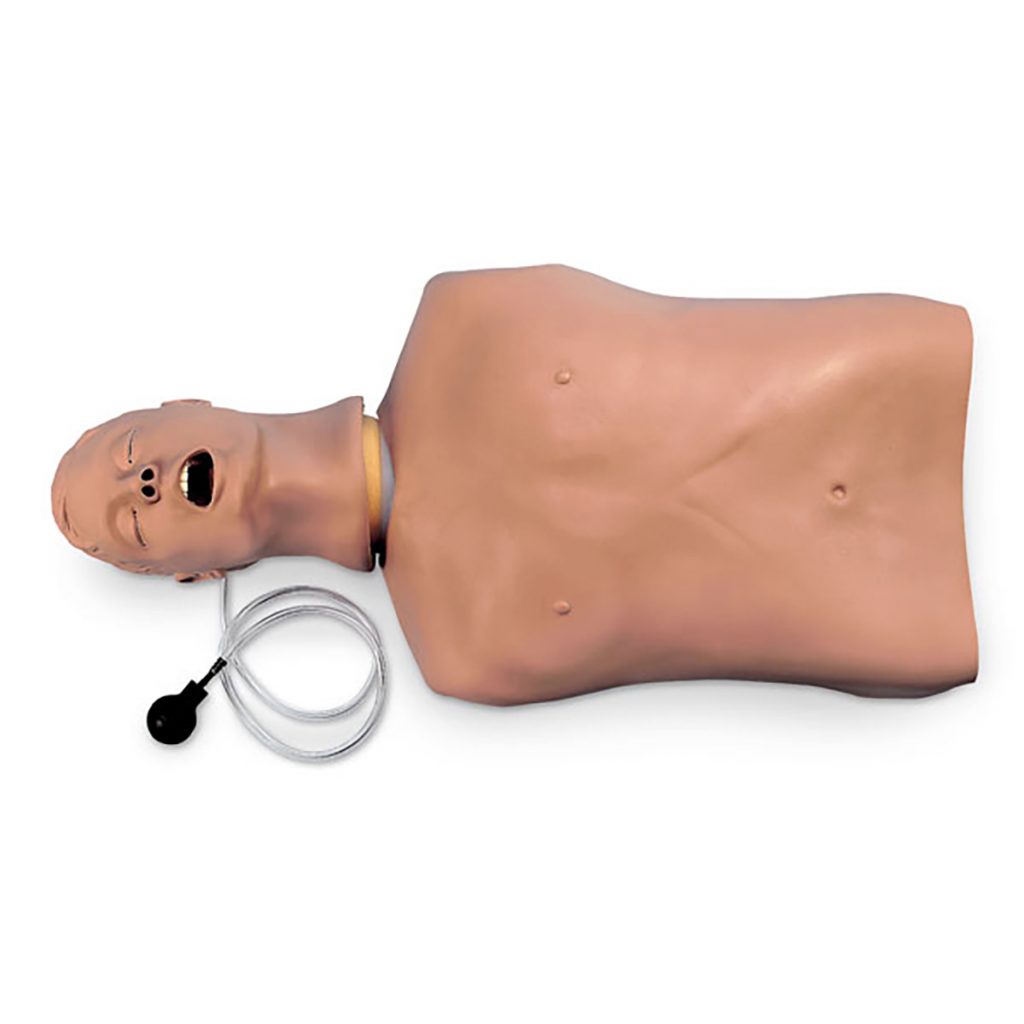
Airway Larry

This airway management trainer torso has realistic anatomy and landmarks, and is perfect for practicing intubation, ventilation, suction, and CPR techniques for both freshers and advanced students.

ADAM-X-HPS-PRO

ADAM is the most realistic, high-fidelity adult male human patient simulator. He’s good for everything from patient care and emergency medical intervention to resuscitation training for dynamic team training. If you’re looking for an Advanced Trauma Life Support trainer, you can’t miss this one.

Adult CPR Manikin

A realistic, full-size manikin with anatomical landmarks for training BLS rescue techniques and CPR.

Advanced Child Airway Management Trainer

With tongue swelling and laryngospasm, this 5-year old child trainer is perfect for practicing intubation, ventilation, suction, and jaw thrust skills on pediatric patients- for both introductory and advanced training.

Patient Care Manikin PRO

A complete patient care and advanced nursing skills solution. This adult, life-size patient manikin has interchangeable genitals and natural movement of the arms, legs, and joints. It’s great for teaching everything from transfer skills and bed care to bathing and bandaging a patient- and everything in between.

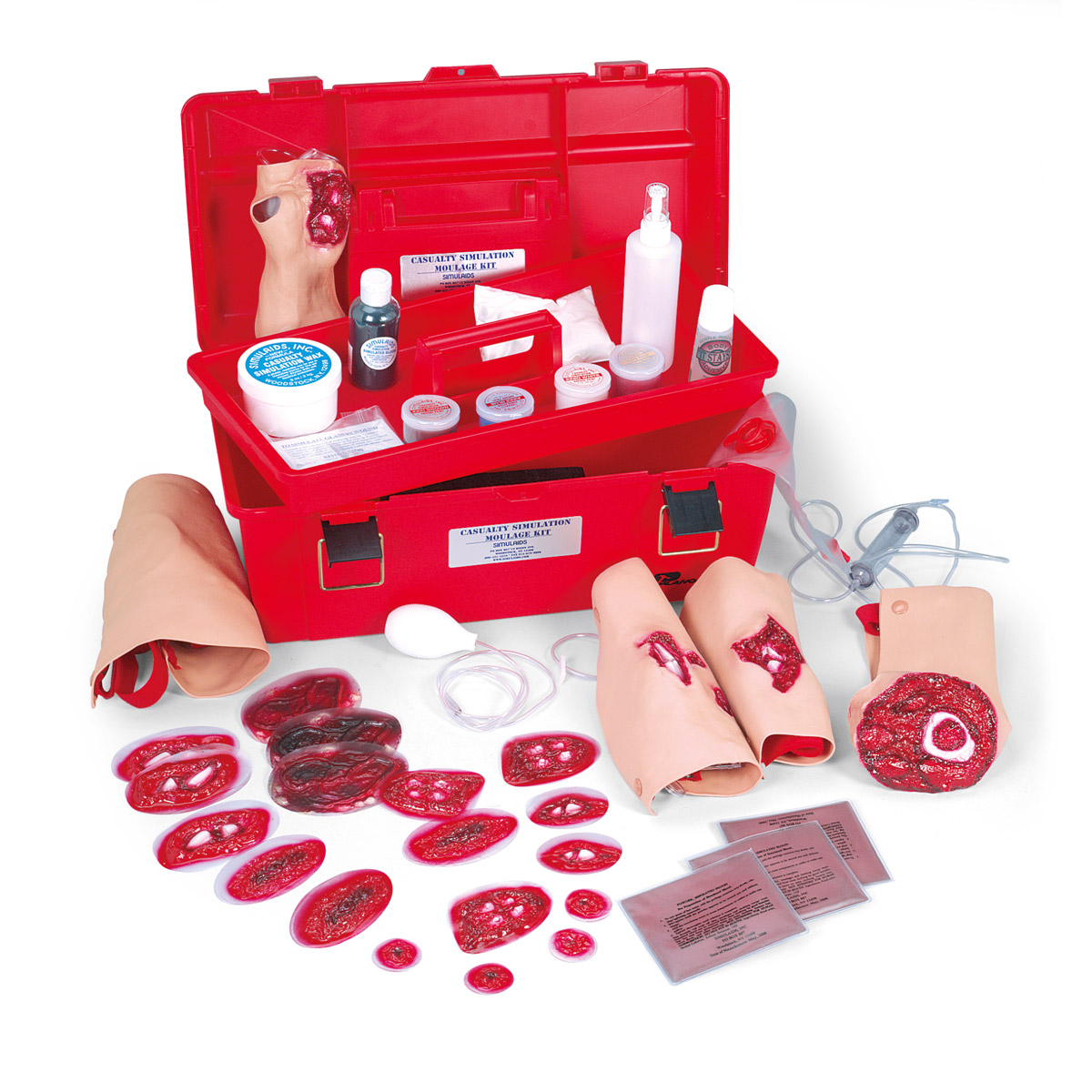
Advanced Casualty Simulation Kit

This is an emergency simulation kit with complex wounds testing higher levels of skill in bandaging and patient care while keeping initial expenditures low. It includes a gunshot wound of the palm, a sucking wound of the chest, compound fractures of the humerus and the tibia, and an open amputation in addition to 24 stick-on lacerations and open fracture wounds.

Advanced Lucy

Bringing a human into this world is powerful, so here’s an emotionally engaging birthing simulator, Advanced Lucy, to bring a new level of realism to prenatal to postnatal delivery scenarios. Lucy is anatomically accurate and helps students experience normal and abnormal deliveries, preparing them for the real ones.

Advanced KERi Nursing Manikin

KERi doesn’t seem to have a specific age, but is capable of a lifelike range of motion, realistic patient positioning, and non-pinching joints so it even moves like a real person. And it can convert to male. KERi is great for everything from bandaging and bed baths to catheterization and pap smears.

Articulating Fetus

A realistic, 42cm fetus with articulating head, neck, shoulders, elbows, hips, and knees for more realistic practice of difficult delivery exercises such as Leopold’s or Ritgen’s maneuvers.

Rescue Randy

Randy is a rugged, hyper-realistic manikin designed for enhanced realistic training on procedures that treat the 3 most preventable causes of death (massive bleeding, tension pneumothorax, and airway obstruction). It is compliant with TCCC/TECC scenarios.

Complete Intramuscular Injection Training Kit

This kit has the entire 3B Scientific suite of intramuscular injection simulators and helps practice IM injections anywhere on the body. It also helps locate the correct site for injection using realistic and anatomically accurate upper arm, buttock, and upper leg simulators, and helps feel the correct needle depth too.

This was just a sneak peek into the long list of leading manikins and simulators from SEM Trainers. Visit www.semtrainers.com to see over 1200 products listed on our site and take your pick.

After all, these simulators will end up being used for years, training hundreds, even thousands of students before they’ll need to be replaced. With manikins and simulators, you deserve nothing but the best.

3 Questions to Ask Before Buying Your Next Patient Simulator

What is a Human Patient Simulator?

Patient simulators are life-size manikins with lifelike features and responsive physiology like respiration, heart beat, and pulse. In simpler terms, these are mechanical and computer-controlled simulators that look realistic and respond realistically, showing symptoms and disease processes as would be in real life. This kind of high-fidelity realism provides a hands-on learning experience in a controlled environment, and is great for building clinical skills, communication skills, and critical thinking in learners.

One thing to consider when buying a simulator or manikin is their high acquisition and maintenance costs. With that in mind, before making a purchase, it’s important to ask the right questions.

Question: What skills do we need to teach with this patient simulator?

Patient simulators come in a variety of models, from surgical simulators and military simulators to birthing simulators, preterm infant simulators, and geriatric simulators. Some manikins come with severed limbs or burn injuries. These can be great for teaching learners how to deal with military, trauma, or emergency cases while also training on triage for such cases. With multiple manikins, you can also create mass casualty simulations. If your purpose is to train for birthing related skills, you can go for various manikins to simulate labor, delivery, newborn emergencies, and postpartum critical events. These can teach skills like delivering a baby head down, caring for preterm babies, caring for sick babies, caring for the mother with postpartum complications. Whatever skills you need to teach, look for simulators related to that.

Question: How realistic should the patient simulator be?

Patient simulators can be low-,mid-, or high-fidelity manikins. The higher the fidelity, the more realistic and lifelike the simulator and its replication of the human body’s various functions. Let’s ask the first question again- what skills need to be taught with the simulator? If you need it for repetitive task training like starting IVs or inserting urinary catheters, a simple low-fidelity manikin will do. If you need individuals to learn how to change dressing or practice suturing, simple silicon wound models will be enough. If you want to teach something like performing CPR, you’ll need basic cardiopulmonary resuscitation manikins. For assessing vital signs or training on nursing skills, you might be better off with mid-fidelity manikins. This can help them figure out whether it’s safe to give a medicine depending on the current vital signs. Most high-fidelity manikins will mimic complex body systems (for ex- the chest may rise and fall, there may be chest and bowel sounds, and you may be able to feel a pulse) and help train on complex clinical skills and trauma or emergency cases. Some high-fidelity manikins may also be able to speak or cry. Basically, to understand what kind of fidelity you want, you’ll need to think about the complexity of the task you need to train on.

Question: What is your budget?

Another important question is to ask what your budget is for the patient simulator. For this, you need to consider what functionalities you will need in the simulator. Will you need a very high-fidelity manikin or will a mid- or low-fidelity one be enough? High-fidelity manikins tend to be costlier than mid- and low-fidelity ones. Sometimes, people end up buying the high-fidelity ones and then many of those functions go unused either because they are not required for the scope of the learning or because people aren’t even aware of those functions. Other times, people buy low- or mid-fidelity manikins, but then have to buy better ones eventually. You may also need to ask yourself- “Do I need to buy a high-fidelity manikin for this or distribute the budget elsewhere in the lab too?” To be honest, neither fidelity is superior to the other, they both have their pros and cons. While high-fidelity manikins are more realistic, low-fidelity ones allow students to learn at their pace. The decision may come to what skills need to be taught.

Ultimately, you need to make a decision based on what functions you need and what skills you need to teach while making a trade-off between cost and fidelity (but accommodating the fidelity needs of the skills to be taught).

Simulation is the only way to provide learners the opportunity to deal with rare and life-threatening situations without causing any risk to real patients. And even then, when they make mistakes, they get to see the implications of the errors and are allowed the chance to rectify their mistakes. Over the last few years, this technology has revolutionized how we approach healthcare and the quality of patient care, and it’s exciting to think about what the future holds for it.

More Blog:

Medical Simulation Training: Market Share, Projected Growth

Follow us on Social Media :

What are the Challenges Involved in Saving Lives in Hospitals?

The responsibility of saving lives that befalls our hospitals and the Indian healthcare system as a whole is thwarted by the several challenges it faces on all fronts. Together, these can affect not only the quality of care delivered but whether people seek that care at all.

Lack of Awareness

The first challenge to delivering effective healthcare is a lack of awareness in the public. From ignoring their symptoms and believing they don’t need treatment to more concrete barriers like affordability and a lack of resources, a lot of things get in the way of saving lives. This may be attributed to factors like poor education, poor functional literacy, and a low priority for health.

Lack of Access

Even those who are aware may not have access to quality healthcare owing to financial, organizational, social, and cultural barriers, even in places where they are available. This brings us to physical accessibility. Living further away from town increases the odds of disease, malnourishment, weakness, and premature death.

Shortage of Healthcare Workers

Not only do hospitals need to have an adequate number of working personnel, they need people who are appropriately trained and employable. By introducing simulation-led training in our medical and nursing curricula, we can create more prepared and capable healthcare workers in the future.

A 2019 study discovered that we only have one doctor for every 1457 people and 1.7 nurses for every 1000 people. And the manpower we do have is distributed unevenly as most prefer to work in more developed areas where their own quality of life and that of their children will be superior. The public healthcare system is also not allocated enough funds. This difference in quality of care drives people to prefer private healthcare, which is often not affordable for most. People in rural areas are discouraged and less likely to seek treatment when they travel far to government-run healthcare facilities and find a lack of qualified professionals and inadequate infrastructure. 

Additionally, we only have one bed for every 2,239 people. These shortages in personnel, PPE kits, oxygen cylinders, and ambulances posed great challenges in saving lives during the COVID-19 pandemic.

The Cost of Healthcare

The inconsistent costs and lack of cost regulation in the private sector often ends up as huge medical bills, specially in emergency cases. For example, because many families aren’t able to shoulder the increasingly high costs of infant care and pre-natal surgical procedures, the infant mortality rate in India is one of the highest in the world. In contrast, public healthcare facilities are cheap or free, but unreliable.

Poor Soft Skills

The ability to effectively communicate with the patients and their frustrated family members, and within the team itself is crucial to the success of a case more than you’d think. Theory alone will not prepare individuals for dealing with patients, so a good way to build communication skills and other soft skills is to incorporate simulation-led training.

Lack of Openness to Digitalization

Another challenge faced is the lack of openness to digitalization among the hospital staff. For several reasons, as the world becomes increasingly digitalized, hospitals need to catch up too. But not everyone may be comfortable with incorporating it to refine existing procedures. Doctors may also be set in their ways and show no interest in learning the new tools.

Less Emphasis on Preventive Care

Preventive care can usually solve a lot of problems in terms of misery and financial losses, and avoid worse problems along the road. But most people either don’t know or don’t care about general preventive care. This not only saves money for the patient, but also reduces the burden on the limited healthcare infrastructure.

As we advance technologically, with more facilities, there will always be newer challenges to address. What’s important is to keep going forward and create a reliable healthcare system for everyone.

More Blog:

Medical Simulation Training: Market Share, Projected Growth

Follow us on Social Media :

Sem Trainers & Systems