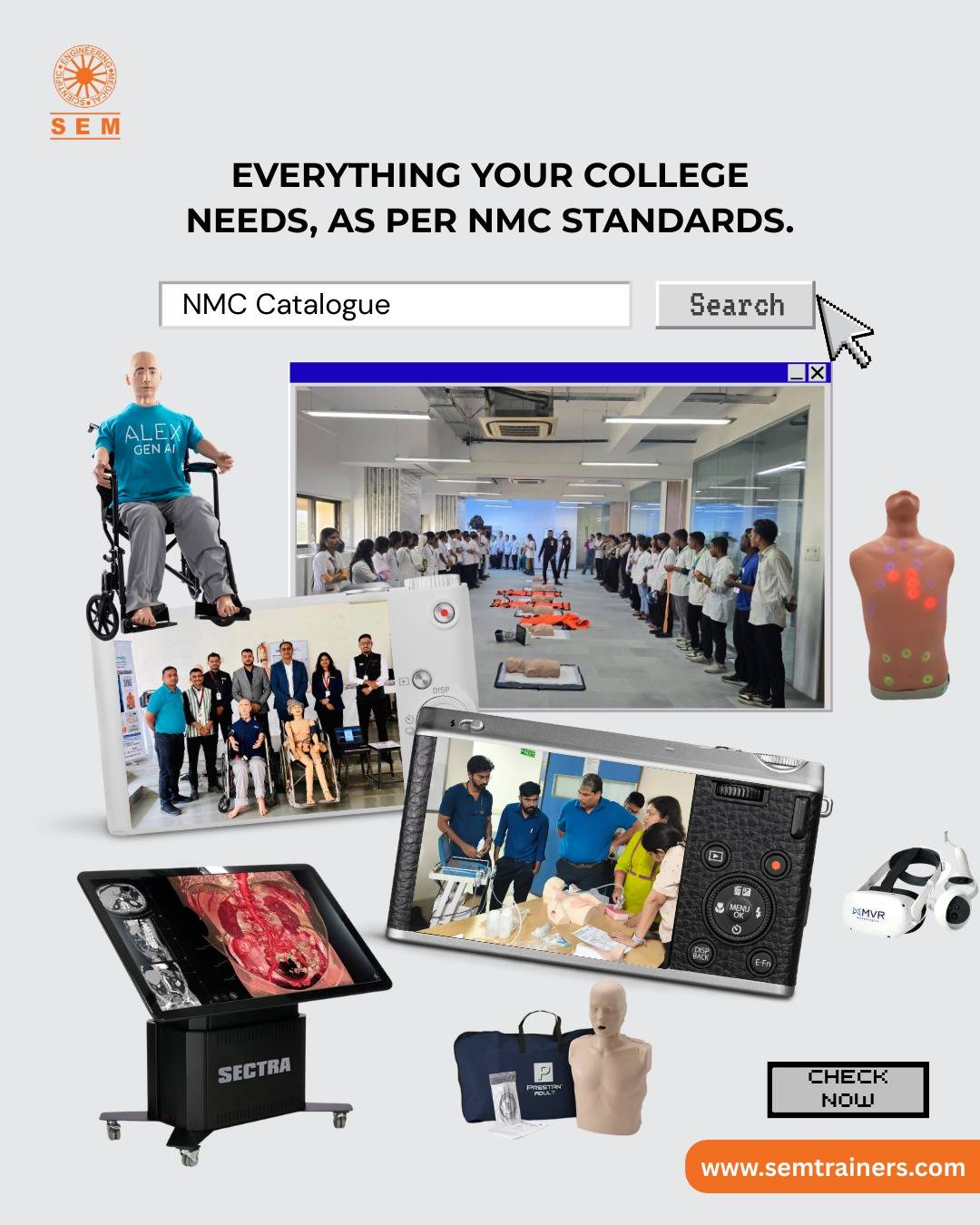
NMC Compliant Medical Manikins India: Complete 2026 Buyer’s Guide for Medical Colleges

NMC Compliant Medical Manikins India: Complete 2026 Buyer’s Guide for Medical Colleges

As medical education in India continues to evolve under the guidelines of the National Medical Commission, simulation-based learning is no longer an enhancement , it is a mandate.

For institutions establishing or upgrading skills laboratories, investing in NMC compliant medical manikins India has become central to regulatory compliance, academic excellence, and patient safety.

This 2026 buyer’s guide will help medical colleges understand:

  • What qualifies as NMC compliant

  • Which simulation equipment is essential

  • How to select the right suppliers

  • How to future-proof your skills lab infrastructure

What Does “NMC Compliant” Mean?

Under Competency-Based Medical Education (CBME), the NMC mandates structured skills labs to ensure students develop hands-on clinical competence before interacting with patients.

When we refer to NMC compliant medical manikins India, we mean simulation equipment that:

  • Supports competencies defined by NMC curriculum

  • Aligns with official medical college equipment requirements

  • Enables structured skill training and OSCE-based assessment

  • Is durable, serviceable, and audit-ready

  • Includes documentation, SOPs, and faculty training support

Compliance is not about owning equipment, it is about operational readiness.

During inspections, institutions are evaluated not only on inventory but also on usage, maintenance, and competency mapping.

Core Simulation Equipment Required for NMC Skills Labs

While exact quantities vary based on intake capacity, most Indian medical colleges must include the following foundational categories:

1. Basic Life Support (BLS) & CPR Trainers

Adult, child, and infant CPR manikins with compression feedback mechanisms are mandatory for emergency response competencies.

These trainers support:

  • Cardiopulmonary resuscitation

  • AED familiarization

  • Team-based code blue drills

  • Objective skill evaluation

2. Airway Management Trainers

Airway simulators allow repeated practice of:

  • Endotracheal intubation

  • Bag-valve mask ventilation

  • Suction techniques

  • Difficult airway scenarios

These are essential for emergency medicine and anesthesiology exposure.

3. Obstetric & Neonatal Simulation Trainers

India’s public health priorities make obstetric and neonatal training critical.

Required trainers include:

  • Normal delivery simulators

  • Complicated labour management models

  • Neonatal resuscitation trainers

These simulators directly support maternal and child health competencies under CBME.

4. Procedural Skill Trainers

Repetitive hands-on practice is essential for clinical confidence.

Common procedural trainers include:

  • IV cannulation arms

  • Injection pads

  • Suturing models

  • Catheterization trainers

  • Lumbar puncture simulators

Additionally, many institutions now integrate buy anatomical models for medical training online India solutions for anatomy correlation and demonstration-based teaching.

5. Advanced & High Fidelity Simulation Systems

High-acuity emergency and ICU scenarios require advanced systems capable of:

  • Cardiac rhythm simulation

  • Respiratory distress modeling

  • Drug response simulation

  • Real-time physiological feedback

  • Team-based crisis training

High Fidelity Medical Simulators Suppliers in India: What to Look For

When evaluating high fidelity medical simulators suppliers in India, institutions should assess beyond product specifications.

Key considerations include:

1. Clinical Accuracy

Does the simulator replicate real-time physiological responses accurately?

2. Faculty Training Support

Does the supplier provide structured faculty development workshops?

3. Technical Service Network

Is there local service support in your region — including distributors in Gujarat, Maharashtra, Delhi, or South India?

4. Software & Scenario Updates

Does the system allow upgrades aligned with evolving curriculum requirements?

5. Integration with Virtual Reality Medical Training Equipment in India

Many modern labs now integrate virtual reality medical training equipment in India for immersive anatomy, emergency response drills, and surgical planning modules.

VR does not replace manikins, it enhances cognitive immersion before procedural execution.


Virtual Reality Medical Training Equipment in India: The Emerging Layer

Forward-thinking colleges are expanding simulation ecosystems with:

  • VR anatomy modules

  • AR-assisted procedural overlays

  • Immersive emergency scenario training

  • Remote simulation broadcasting

While NMC compliance focuses primarily on core skills labs, integrating virtual reality medical training equipment in India enhances:

  • Cognitive rehearsal

  • Pre-clinical conceptual clarity

  • Surgical orientation

  • Interdisciplinary simulation

Institutions aiming to position themselves as Centers of Excellence increasingly combine manikins, anatomical models, and immersive technologies.


Strategic Procurement Checklist for 2026

Choosing medical manikins should be a long-term academic decision — not just a tender process.

1. Curriculum Mapping First

Start with competency lists. Then identify equipment.

2. Plan for 5–7 Year Scalability

Student intake often increases. Choose modular systems.

3. Ensure Documentation Readiness

Maintain:

  • Equipment SOPs

  • Usage logs

  • Maintenance records

  • Faculty training certifications

Inspectors evaluate operational functionality.

4. Collaborate with Established Simulation Providers

Work with suppliers experienced in setting up complete skills labs across India — including institutions in Ahmedabad, Mumbai, Bengaluru, and other major academic hubs.


Conclusion: A Compliance Roadmap for 2026

Establishing a skills lab is not about purchasing equipment — it is about building a competency-driven learning ecosystem aligned with the standards of the National Medical Commission.

Medical colleges planning upgrades in 2026 should:

  1. Conduct a structured compliance audit

  2. Map simulation needs to curriculum

  3. Evaluate high fidelity medical simulators suppliers in India

  4. Integrate anatomical and virtual learning layers

  5. Develop a long-term expansion roadmap

The future of Indian medical education is simulation-driven, competency-focused, and technology-enhanced.

The institutions that prepare now will lead tomorrow.
 

Addressing Sedentary Lifestyle Health Risks

Addressing Sedentary Lifestyle Health Risks. In today’s world, convenience is everywhere. We can work, shop, and even socialize—all from the comfort of a chair. While this lifestyle may seem appealing, the hidden risks of prolonged inactivity are becoming a serious concern for health professionals. At SEM Trainers and Systems, we are committed to raising awareness about these risks and equipping healthcare providers with the tools to tackle this modern health challenge.

A sedentary lifestyle is more than just sitting too much; it’s a ticking time bomb for chronic health issues. Prolonged inactivity increases the risk of conditions like obesity, diabetes, cardiovascular disease, and even mental health problems such as depression and anxiety.

For healthcare providers, addressing these issues requires a proactive approach—one that combines education, preventive measures, and hands-on training allowii1 identify early warning signs and guide patients toward healthier habits.

Medical professionals are on the frontlines of combating lifestyle diseases, and effective training is crucial to their success. This is where SEM Trainers and Systems plays a vital role. As a trusted medical manikin solution provider, we provide innovative simulation tools that prepare healthcare teams to handle the complex health challenges posed by sedentary lifestyles.o

Our simulation-based training solutions help healthcare providers recognize and address the subtle symptoms of lifestyle-related conditions. Whether it’s identifying early signs of metabolic syndrome or managing cardiovascular emergencies, these tools ensure professionals are ready to act swiftly and accurately.

One of the greatest challenges in addressing a sedentary lifestyle is motivating patients to make long-term changes. Simulation training helps healthcare providers refine their communication and counseling skills, ensuring they can guide patients with empathy and confidence.

For example, our tools allow caregivers to simulate scenarios where they must counsel a patient about weight management, improved nutrition, or physical activity. One such manikin – ALEX PRO helps students to get the real-life based experience. These role-play exercises foster effective patient interactions, making it easier to inspire behavioral change.

Sedentary lifestyle health risks often require a multidisciplinary approach. Simulation-based training brings together doctors, nurses, physiotherapists, and dietitians, enabling them to collaborate effectively. These team-based exercises not only improve clinical skills but also enhance communication and coordination, ensuring every patient receives holistic care.

The fight against sedentary lifestyles begins with awareness and education. By equipping healthcare providers with cutting-edge simulation tools, SEM Trainers and Systems is helping to turn the tide against lifestyle-related health risks. Our solutions empower professionals to detect, prevent, and manage these conditions, ensuring better outcomes for patients and a healthier society overall.

As a leading medical manikin seller, SEM Trainers and Systems is dedicated to advancing healthcare training and supporting professionals in their mission to improve lives. Let’s work together to combat the health risks of sedentary lifestyles and build a more active, vibrant future for all.

In today’s world, convenience is everywhere. We can work, shop, and even socialize—all from the comfort of a chair. While this lifestyle may seem appealing, the hidden risks of prolonged inactivity are becoming a serious concern for health professionals. At SEM Trainers and Systems, we are committed to raising awareness about these risks and equipping healthcare providers with the tools to tackle this modern health challenge.

A sedentary lifestyle is more than just sitting too much; it’s a ticking time bomb for chronic health issues. Prolonged inactivity increases the risk of conditions like obesity, diabetes, cardiovascular disease, and even mental health problems such as depression and anxiety.

For healthcare providers, addressing these issues requires a proactive approach—one that combines education, preventive measures, and hands-on training allowii1 identify early warning signs and guide patients toward healthier habits.

Medical professionals are on the frontlines of combating lifestyle diseases, and effective training is crucial to their success. This is where SEM Trainers and Systems plays a vital role. As a trusted medical manikin solution provider, we provide innovative simulation tools that prepare healthcare teams to handle the complex health challenges posed by sedentary lifestyles.o

Our simulation-based training solutions help healthcare providers recognize and address the subtle symptoms of lifestyle-related conditions. Whether it’s identifying early signs of metabolic syndrome or managing cardiovascular emergencies, these tools ensure professionals are ready to act swiftly and accurately.

One of the greatest challenges in addressing a sedentary lifestyle is motivating patients to make long-term changes. Simulation training helps healthcare providers refine their communication and counseling skills, ensuring they can guide patients with empathy and confidence.

For example, our tools allow caregivers to simulate scenarios where they must counsel a patient about weight management, improved nutrition, or physical activity. One such manikin – ALEX PRO helps students to get the real-life based experience. These role-play exercises foster effective patient interactions, making it easier to inspire behavioral change.

Sedentary lifestyle health risks often require a multidisciplinary approach. Simulation-based training brings together doctors, nurses, physiotherapists, and dietitians, enabling them to collaborate effectively. These team-based exercises not only improve clinical skills but also enhance communication and coordination, ensuring every patient receives holistic care.

The fight against sedentary lifestyles begins with awareness and education. By equipping healthcare providers with cutting-edge simulation tools, SEM Trainers and Systems is helping to turn the tide against lifestyle-related health risks. Our solutions empower professionals to detect, prevent, and manage these conditions, ensuring better outcomes for patients and a healthier society overall.

As a leading medical manikin seller, SEM Trainers and Systems is dedicated to advancing healthcare training and supporting professionals in their mission to improve lives. Let’s work together to combat the health risks of sedentary lifestyles and build a more active, vibrant future for all.

In today’s world, convenience is everywhere. We can work, shop, and even socialize—all from the comfort of a chair. While this lifestyle may seem appealing, the hidden risks of prolonged inactivity are becoming a serious concern for health professionals. At SEM Trainers and Systems, we are committed to raising awareness about these risks and equipping healthcare providers with the tools to tackle this modern health challenge.

A sedentary lifestyle is more than just sitting too much; it’s a ticking time bomb for chronic health issues. Prolonged inactivity increases the risk of conditions like obesity, diabetes, cardiovascular disease, and even mental health problems such as depression and anxiety.

For healthcare providers, addressing these issues requires a proactive approach—one that combines education, preventive measures, and hands-on training allowii1 identify early warning signs and guide patients toward healthier habits.

Medical professionals are on the frontlines of combating lifestyle diseases, and effective training is crucial to their success. This is where SEM Trainers and Systems plays a vital role. As a trusted medical manikin solution provider, we provide innovative simulation tools that prepare healthcare teams to handle the complex health challenges posed by sedentary lifestyles.o

Our simulation-based training solutions help healthcare providers recognize and address the subtle symptoms of lifestyle-related conditions. Whether it’s identifying early signs of metabolic syndrome or managing cardiovascular emergencies, these tools ensure professionals are ready to act swiftly and accurately.

One of the greatest challenges in addressing a sedentary lifestyle is motivating patients to make long-term changes. Simulation training helps healthcare providers refine their communication and counseling skills, ensuring they can guide patients with empathy and confidence.

For example, our tools allow caregivers to simulate scenarios where they must counsel a patient about weight management, improved nutrition, or physical activity. One such manikin – ALEX PRO helps students to get the real-life based experience. These role-play exercises foster effective patient interactions, making it easier to inspire behavioral change.

Sedentary lifestyle health risks often require a multidisciplinary approach. Simulation-based training brings together doctors, nurses, physiotherapists, and dietitians, enabling them to collaborate effectively. These team-based exercises not only improve clinical skills but also enhance communication and coordination, ensuring every patient receives holistic care.

The fight against sedentary lifestyles begins with awareness and education. By equipping healthcare providers with cutting-edge simulation tools, SEM Trainers and Systems is helping to turn the tide against lifestyle-related health risks. Our solutions empower professionals to detect, prevent, and manage these conditions, ensuring better outcomes for patients and a healthier society overall.

As a leading medical manikin seller, SEM Trainers and Systems is dedicated to advancing healthcare training and supporting professionals in their mission to improve lives. Let’s work together to combat the health risks of sedentary lifestyles and build a more active, vibrant future for all.


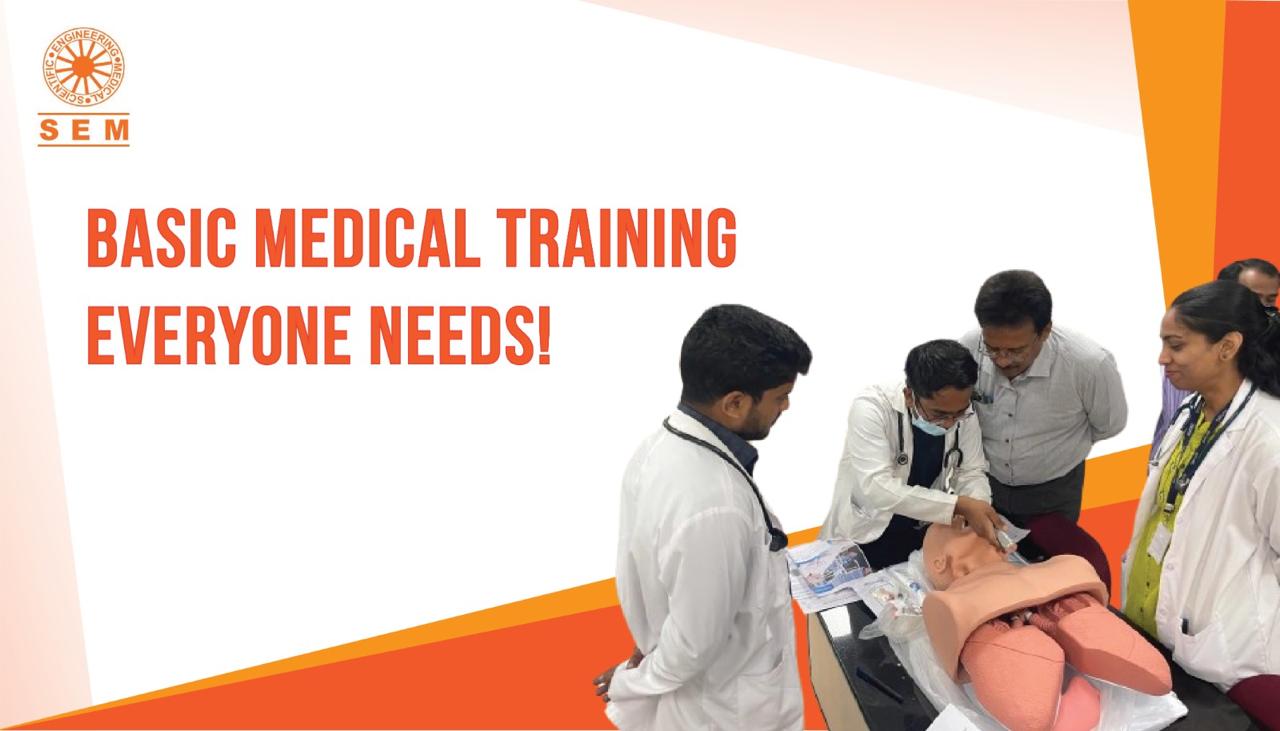
Basic Medical Training Everyone Needs

Basic Medical Training Everyone Needs

From the time we are kids, we are being taught how to apply a band-aid, but as we grow up did we forget to know and learn about other important first-aids too? 

Medical training is often viewed as the exclusive domain of healthcare professionals, but there is a growing recognition of the importance of basic medical knowledge for EVERYONE! 

Understanding fundamental medical concepts and first aid techniques can make a significant difference in everyday life, from managing minor injuries to potentially saving lives in emergencies. Here, we explore the essential medical training that everyone should acquire to enhance their preparedness and response to health-related situations.

1. First Aid Basics

First aid is the cornerstone of basic medical training. Knowing how to provide immediate care in emergencies can stabilize a patient’s condition until professional help arrives. Essential first aid skills include:

  • CPR (Cardiopulmonary Resuscitation): Learning CPR can be a lifesaver in situations where someone’s heart has stopped. It involves chest compressions and rescue breaths to maintain circulatory flow and oxygenation until emergency services arrive.
  • Wound Care: Understanding how to clean and dress wounds, control bleeding, and recognize signs of infection is crucial. Proper wound care can prevent complications and speed up the healing process.
  • Fracture Management: Basic knowledge of how to immobilize fractures and handle broken bones can prevent further injury and reduce pain until professional medical treatment is available.

2. Recognizing Medical Emergencies

Another critical aspect of basic medical training is the ability to recognize signs of common medical emergencies. This knowledge allows individuals to seek timely help and provide appropriate initial care. Key conditions to be aware of include:

  • Heart Attacks: Symptoms such as chest pain, shortness of breath, and lightheadedness require immediate attention. Understanding these signs can prompt quick action and potentially save a life.
  • Strokes: Recognizing the symptoms of a stroke—such as sudden numbness, confusion, difficulty speaking, or loss of balance—enables prompt medical intervention, which is vital for reducing long-term damage.
  • Allergic Reactions: Severe allergic reactions, or anaphylaxis, can be life-threatening. Knowing how to identify symptoms like swelling, hives, and difficulty breathing, and how to use an EpiPen, can be crucial in managing these emergencies.

3. Basic Life Support (BLS)

Basic Life Support (BLS) training goes beyond first aid, equipping individuals with the skills to respond to a wider range of emergencies. This includes:

  • Using Automated External Defibrillators (AEDs): AEDs are vital tools in resuscitating individuals experiencing cardiac arrest. BLS training covers how to operate these devices effectively.
  • Airway Management: Techniques to ensure an open airway, such as the Heimlich maneuver for choking or positioning a person to prevent airway obstruction, are integral components of BLS.

4. Everyday Health Management

Basic medical training also encompasses everyday health management, empowering individuals to take charge of their well-being. This includes:

  • Understanding Vital Signs: Knowing how to measure and interpret vital signs such as blood pressure, pulse rate, and temperature can help individuals monitor their health and detect potential issues early.
  • Medication Awareness: Basic knowledge about common medications, their uses, and side effects ensures safe and effective self-care.
  • Mental Health First Aid: Recognizing the signs of mental health crises and knowing how to offer initial support is increasingly important in today’s society. This includes understanding anxiety, depression, and stress management techniques.


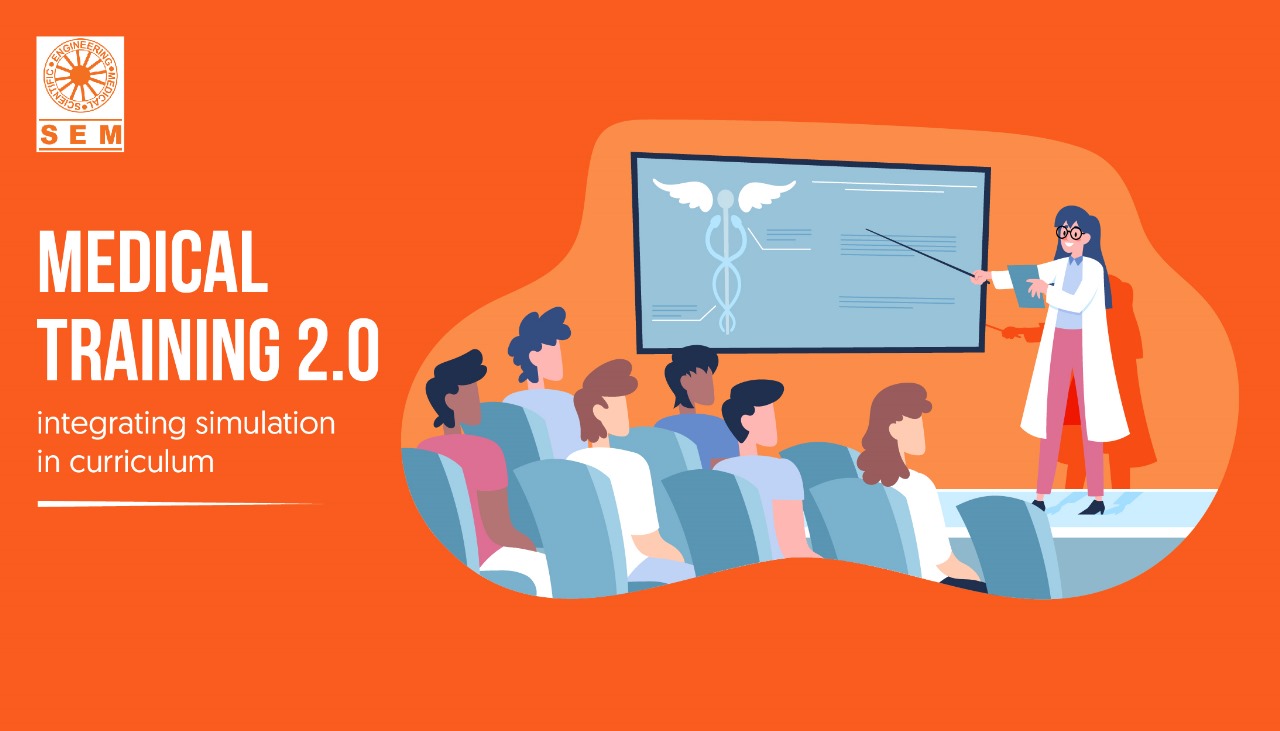
Medical Training 2.0- integrating simulation in curriculum

Medical Training 2.0- integrating simulation in curriculum.

In the ever-changing realm of medical education, a transformative shift is underway: Medical Training 2.0. This evolution entails the integration of cutting-edge simulation techniques into the curriculum, reshaping how future healthcare professionals learn and excel. At SEM Trainers and Systems, we’re at the forefront of this educational revolution, offering state-of-the-art medical manikins and simulators designed to elevate medical training to new heights. Also as Per the New NMC (National Medical Commission ) Guidelines wherein they have insisted on Clinical Simulation Skills Lab and Manikins for Department of Pharmacology. The Need for  Integration is a top priority.

Seamless Learning Experience

Gone are the days of traditional textbook learning. The new Medical Training introduces an immersive approach where learners actively engage in lifelike scenarios. By integrating simulation into the curriculum, students step into the shoes of medical professionals, practicing procedures, diagnosis, and response to emergencies in a safe and controlled environment.

Why Simulation Matters

Simulation-based learning brings a multitude of benefits to medical education:

  1. Realistic Practice: Our simulators mirror human anatomy and physiology with astounding accuracy, enabling learners to perform procedures just as they would on real patients.
  2. Mistakes as Stepping Stones: In a risk-free environment, trainees can make mistakes, learn from them, and refine their skills without endangering patient lives.
  3. Team Collaboration: Healthcare is a team effort. Our simulators facilitate collaborative training scenarios, promoting effective communication and teamwork among future medical professionals.
  4. Instant Feedback: With smart feedback technology, trainees receive immediate insights into their performance, helping them pinpoint areas for improvement.
  5. Tailored Learning: Every learner’s journey is unique. SEM Trainers’ simulators allow educators to customize scenarios to match individual skill levels, fostering personalized growth.

SEM Trainers’ Cutting-Edge Simulators

Our commitment to revolutionize medical education led us to distribute  Anatomical Models along with Advanced simulators – Task trainers – Low -Moderate – High Fidelity Manikins and also Virtual Dissection Table  that align seamlessly with the advanced Medical Training:

  1. Lifelike Realism: Our simulators replicate human responses, from palpable pulses to reactive pupils. This authenticity ensures learners build confidence for real-world situations.
  2. Comprehensive Versatility: Whether it’s surgical practice, emergency response, or diagnostic procedures, our simulators cater to a wide spectrum of medical disciplines.
  3. Guided Progress: Trainees receive real-time data on their performance, empowering them to track progress and work on areas that need enhancement.
  4. Adaptable Scenarios: Educators can customize scenarios, ensuring learners face challenges that suit their learning stage, gradually building their competence.

Embracing the Future

As we march forward into the future of medical education, the importance of simulation in the curriculum cannot be overstated. These days students are equipped with not just theoretical knowledge but also practical expertise, nurturing well-rounded professionals ready to tackle the complexities of the healthcare world.

So, are you ready to Elevate Your Medical Training?

Join us in this educational revolution. At SEM Trainers and Systems, we invite you to explore our Turn Key range of state-of-the-art medical manikins and simulators. Prepare your learners for success by offering them an unparalleled learning experience that combines realistic practice and tailored growth paths.

The integration of simulation into the curriculum empowers learners with hands-on experience, practical skills, and confidence to excel in their careers and hence, SEM Trainers’ and Systems advanced simulators are your gateway to embracing this revolution, shaping the healthcare professionals of tomorrow.


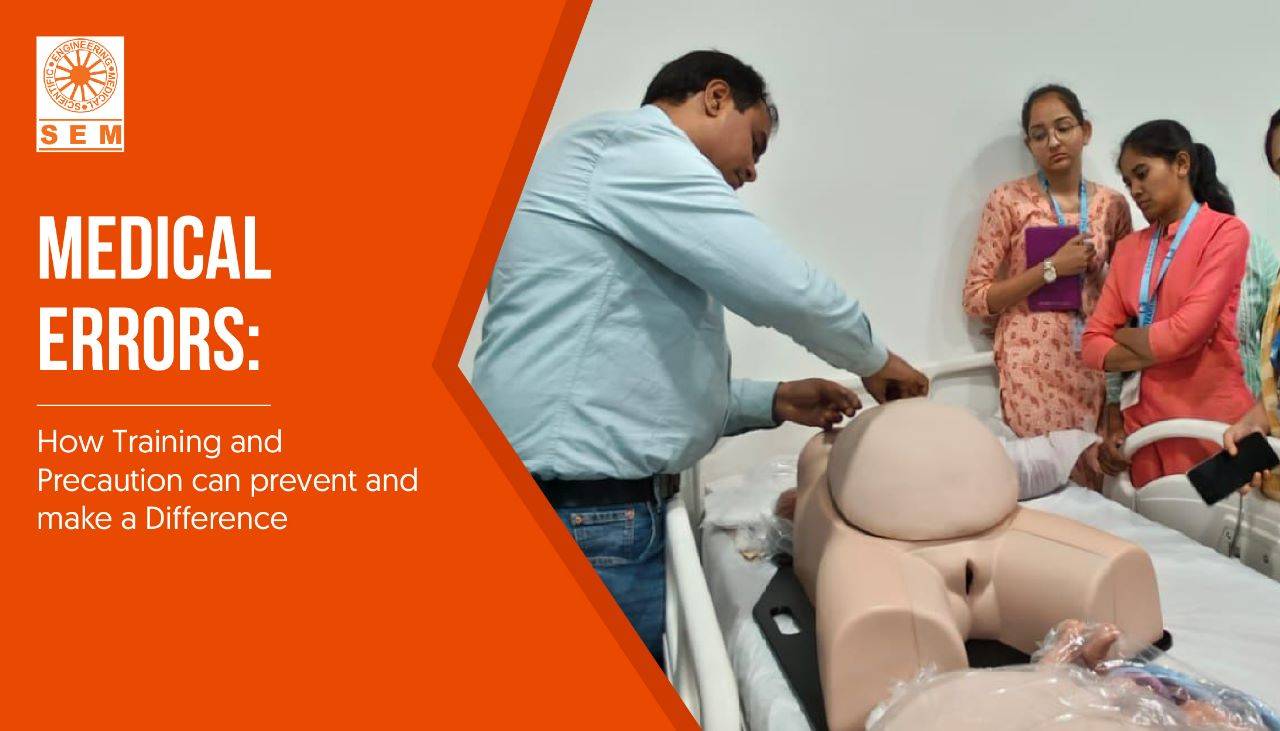
Medical Errors: How Training can make a difference

Medical Errors: How Training can make a difference

Medical errors can have devastating consequences. However, with proper training and precautions, these errors can be prevented. In this blog post, we will explore the importance of training healthcare professionals and implementing safety measures to ensure patient safety. Discover the key strategies that can make a significant difference in preventing medical errors and how comprehensive training equips healthcare professionals for safe and quality care. https://www.ncbi.nlm.nih.gov/books/NBK499956/

Building Knowledge: 

Medical training establishes a strong foundation. It imparts in-depth knowledge of medical principles, anatomy, physiology, and diseases. Understanding the human body and potential risks helps professionals make informed decisions and avoid errors that threaten patient safety.

Enhancing Clinical Skills:

Training goes beyond theory. It hones practical skills through hands-on experience. Professionals learn proper procedures, techniques, and best practices. This ensures accuracy and reduces errors during interventions, surgeries, and diagnostics.

Promoting Communication and Collaboration:

Effective communication prevents errors. Training emphasizes clear and concise communication among healthcare teams. It teaches accurate transmission of patient history, test results, and treatment plans. Collaboration fosters seamless coordination, reducing errors due to miscommunication.

Cultivating Critical Thinking: 

Training cultivates critical thinking. It equips professionals to identify risks, analyze complex scenarios, and make accurate decisions. Critical thinking prevents errors before they occur, safeguarding patient well-being.

Continuous Learning:

Training is an ongoing process. Professionals engage in continuous learning to stay updated. They adapt to changes in practices and technologies, ensuring patient safety. Ongoing education enables proactive implementation of preventive measures, minimizing serious medical errors.

Training plays a pivotal role in preventing serious medical errors. It imparts knowledge, enhances clinical skills, promotes communication, and fosters critical thinking. Continuous learning ensures professionals stay at the forefront, preventing errors and ensuring patient safety.

For a quality medical training for your team, SEM provides you with medical manikins that help you give them get their training in the best way! https://www.semtrainers.com/blog/

Medical Stimulator: A key factor in effective medical training

Get the best medical stimulators from SEM Trainers

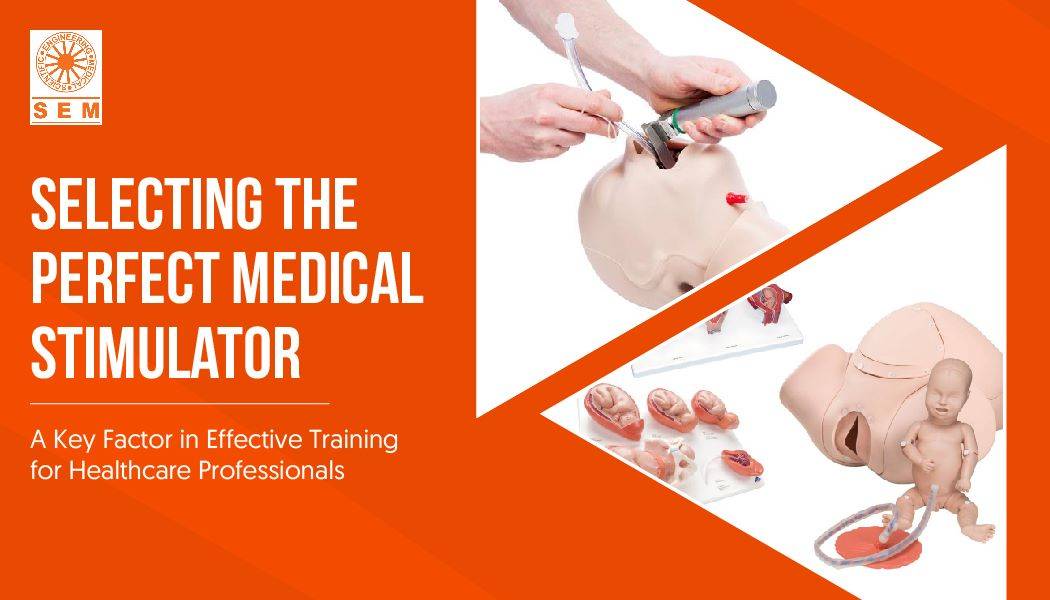
In the ever-evolving field of healthcare, medical professionals must stay up-to-date with the latest advancements. One crucial aspect of training is the use of medical simulators. However, selecting the right medical stimulator tailored to your specific training needs is of utmost importance.

In this blog post, we will explore the significance of choosing the perfect medical stimulator and its impact on effective medical training.

  • Enhanced Realism for Immersive Training: One key aspect of an efficient medical simulator is its ability to provide a realistic training experience. By simulating real-life medical scenarios, students and healthcare practitioners can develop essential skills and knowledge in a controlled environment. The right medical stimulator offers accurate anatomical features, lifelike tissue responses, and simulated physiological functions. This realism allows learners to immerse themselves in lifelike scenarios, increasing engagement and enabling them to acquire practical skills that can be readily transferred to real-world patient care.
  • Tailored Training for Specialized Skills: Medical professionals often require specialized training in various fields, such as surgery, anesthesia, or emergency medicine. The significance of selecting the right medical stimulator lies in its ability to cater to these specific needs. Different simulators are designed to replicate the intricacies of particular procedures, allowing learners to practice and refine their skills in a controlled setting. Whether it is mastering surgical techniques, administering anesthesia, or responding to critical emergencies, a well-suited medical stimulator ensures tailored training to hone specialized skills.
  • Risk-Free Environment for Learning: Medical procedures inherently carry risks, and mistakes can have severe consequences. Therefore, offering learners a risk-free environment to make errors and learn from them is vital. By utilizing a medical stimulator, trainees can experiment and practice without compromising patient safety. They can test different approaches, refine their techniques, and build confidence before applying their skills on actual patients. The right medical stimulator minimizes potential harm, providing a supportive learning environment that encourages exploration, experimentation, and continuous improvement.
  • Cost-Effective Training Solution: In addition to the benefits mentioned above, choosing the right medical stimulator can also have a positive impact on training budgets. By investing in a high-quality simulator, organizations can reduce costs associated with traditional training methods, such as cadaver-based learning or frequent patient simulations. Medical simulators offer a cost-effective alternative, allowing trainees to practice repeatedly without incurring additional expenses. Furthermore, the ability to simulate rare or complex medical conditions enhances the learning experience, reducing the need for expensive specialized training sessions.

In the ever-advancing landscape of healthcare, the importance of selecting the right medical stimulator for training cannot be overstated. By providing enhanced realism, tailored training, a risk-free environment, and cost-effective solutions, these simulators play a crucial role in shaping competent and confident healthcare professionals. Choose wisely, and empower yourself and your team with the best tool to master your medical skills.

CPR for Common Men: A Step-by-Step Guide to Saving Lives

Learn the essential CPR techniques every common man should know.

This blog provides a comprehensive guide on performing CPR correctly, offering valuable tips and step-by-step instructions. Empower yourself with life-saving skills today!

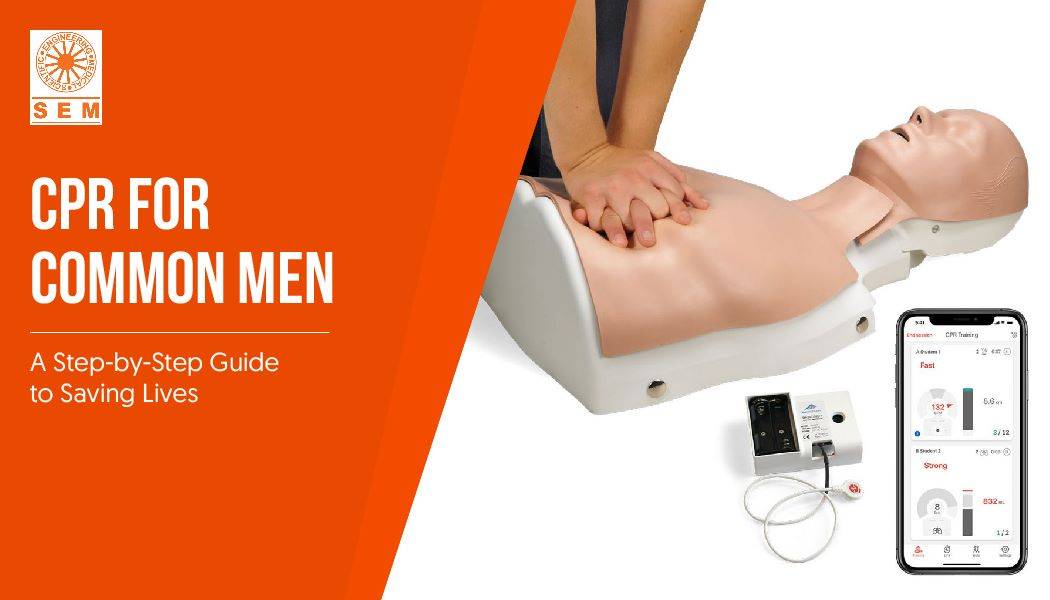
Empowering common men with the ability to perform CPR (Cardiopulmonary Resuscitation) can be a game-changer in emergency situations. This comprehensive guide will walk you through the essential steps and techniques of CPR, equipping you with the knowledge and confidence needed to save lives. Whether you’re a parent, a caregiver, or simply a concerned citizen, mastering CPR is a valuable skill that can make a significant impact. Let’s delve into the world of CPR and learn how you can be prepared to be a life-saving hero!     

So starting with understanding, what exactly is CPR? 

CPR is an emergency procedure that combines chest compressions and rescue breaths to maintain blood circulation and oxygen supply to the brain and vital organs. It is commonly used to revive individuals who have experienced cardiac arrest, drowning, or other life-threatening situations.

Step-by-Step CPR Instructions:

1. Assess the scene: Ensure your safety and check for any potential hazards before approaching the victim.

2. Check responsiveness: Tap the victim’s shoulder and ask if he/she is feeling okay, If there is no response, the person may be unconscious and require immediate CPR.

3. Call for help: Dial emergency services or instruct someone nearby to call while you initiate CPR.

4. Perform chest compressions:

  • Place the heel of your hand on the center of the victim’s chest.
  • Position your other hand on top, interlacing your fingers.
  • Lock your elbows and use your upper body weight to push down firmly, aiming for a depth of about 2 inches.
  • Perform chest compressions at a rate of 100-120 compressions per minute.

5. Deliver rescue breaths:

  • Tilt the victim’s head back gently and lift their chin.
  • Pinch their nose and create a tight seal over their mouth with yours.
  • Give two rescue breaths, each lasting about one second.
  • Observe the chest rise and fall.

6. Continue CPR cycles: 

Alternate between chest compressions and rescue breaths in a ratio of 30:2. Aim for a minimum of 2 minutes of CPR before reassessing the victim’s condition.

Things to know while you Essential CPR Tips:

  • Don’t be afraid to perform CPR. Remember, any attempt is better than no attempt at all.
  • Press hard and fast during chest compressions. This helps maintain blood circulation effectively.
  • Allow the chest to fully recoil between compressions, ensuring optimal blood flow.
  • Take turns with another person if possible, as performing CPR can be physically demanding.
  • Stay calm and focused, following the instructions provided by emergency medical services if you’re on the phone with them.

Being prepared to perform CPR is crucial for common men in emergency situations. By following the step-by-step guide outlined in this blog, you can gain confidence and potentially save lives. 

Remember, CPR is a skill that can make a significant difference until professional help arrives. Whether it’s your loved one, a stranger, or even yourself, your knowledge of CPR can be the lifeline that gives them a second chance. Equip yourself with these essential life-saving techniques and be the hero when it counts!

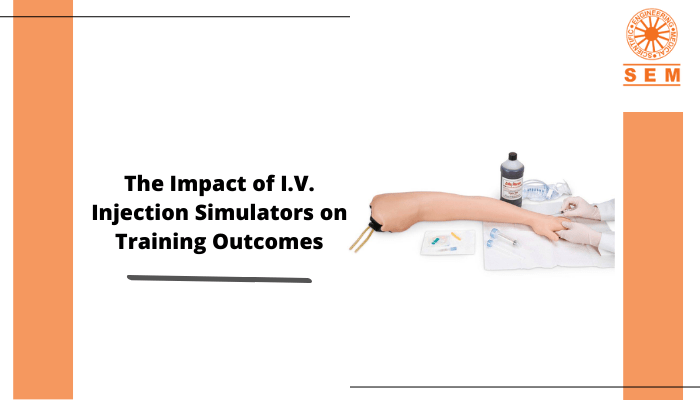
The Impact of I.V. Injection Simulators on Training Outcomes

The medical field is an ever-changing and advancing industry. As new technologies and techniques emerge, healthcare professionals must continue to learn and improve their skills. One area where technology has made a significant impact is in medical training. Specifically, the use of simulation technology has proven to be an effective way to train healthcare professionals and has considerably improved training outcomes in the medical field over the years.

I.V. Injection Simulator

An intravenous (I.V.) injection simulator is a device that is used to simulate the injection of fluids into a patient’s veins. These simulators are designed to mimic the actual experience of administering an I.V. injection and provide a realistic training experience for healthcare professionals. One of the main benefits of using these I.V. injection simulators is that they allow for repeated practice without the need for live patients. This means that healthcare professionals can gain valuable experience without putting actual patients at risk. Additionally, these simulators provide immediate feedback, allowing users to adjust their technique and improve their skills.

Virtual Reality IV Injection Simulation

Virtual reality (VR) technology has been a game-changer in the medical field, and the use of VR for I.V. injection simulation is no exception. VR allows for a fully immersive experience, where users can practice administering injections in a simulated environment. This technology provides a level of realism that cannot be achieved with traditional simulation methods. For example, VR can simulate the sensation of inserting a needle into a patient’s vein, providing a more realistic training experience. The use of VR for I.V. injection simulation has been shown to greatly improve training outcomes in healthcare professionals and increase their confidence.

Improved Performance and Quality in CPR Manikin Training

Another area where simulation technology has made an impact is in CPR manikin training. CPR manikins are used to simulate cardiac arrest situations and allow healthcare professionals to practice life-saving techniques. In recent years, simulation technology has advanced to the point where CPR manikins can provide real-time feedback on performance. For example, some CPR manikins can measure the depth and rate of chest compressions, providing immediate feedback to the user. This technology has been shown to improve the quality and effectiveness of CPR training, leading to better patient outcomes.

At the end of the day, the use of simulation technology has greatly improved training outcomes in the medical field. I.V. injection simulators and virtual reality technologies make for a realistic training experience, allowing healthcare professionals to gain valuable experience without the need to risk live patients. Additionally, the use of simulation technology in CPR manikin training has improved the quality and effectiveness of training, leading to better patient outcomes. And as technology continues to advance, it is likely that simulation technology will become an even more essential part of medical training.

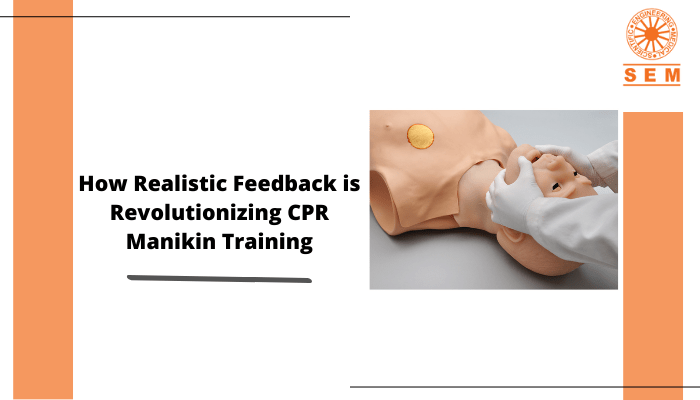
How Realistic Feedback is Revolutionizing CPR Manikin Training

Did you know that 9 out of 10 people who have a cardiac arrest outside the hospital die? CPR is a very easy skill to learn, and its quality can be improved by providing real-time feedback.

What is CPR?

Cardiopulmonary resuscitation (CPR) is a life-saving technique used in emergency situations to keep blood and oxygen flowing to vital organs when someone’s heart has stopped beating. It can save a life if their breathing or heart stops. (During a cardiac arrest, a person’s heart stops beating and cannot pump blood to the rest of the body. But in a heart attack, the blood flow to the heart is blocked.)

To ensure that the best possible outcomes are achieved in a real-life scenario, the quality of CPR administered during training is crucial. One essential tool for providing effective CPR training is the use of a realistic feedback device, such as an advanced cardiac life support (ACLS) CPR feedback device, which provides accurate and immediate feedback on the quality of CPR being performed.

Real-time Feedback Device ACLS

ACLS feedback devices are designed to improve the quality of CPR training by providing feedback on key metrics such as compression depth, compression rate, and recoil. These devices are integrated into CPR manikins to provide real-time feedback to trainees on the quality of their compressions and breaths. This feedback is based on the latest American Heart Association (AHA) guidelines for CPR, ensuring that trainees receive the most up-to-date information on proper CPR techniques.

Purpose of the CPR Feedback Device

During CPR training, the feedback device helps trainees learn the proper technique to administer chest compressions and ventilations. It also helps them maintain a consistent rhythm and depth of compressions, which are critical for the success of CPR. Without the use of a feedback device, trainees may not know whether they are administering CPR correctly, which can lead to ineffective training and potentially life-threatening mistakes during real-life emergency situations.

Feedback Functions for Review During CPR

Feedback devices also let trainees review their performance after a CPR training session. They can record and store data, provide graphical representations of CPR performance, and offer suggestions for improvement. By reviewing this data, trainees can identify areas where they need to improve and adjust their technique accordingly. This helps them perform better in future CPR training sessions and ultimately, in real-life situations.

The importance of realistic feedback in CPR manikins cannot be overstated. Using a feedback device is essential for providing effective CPR training and improving the quality of CPR administered during real-life emergencies. Real-time feedback devices, such as ACLS feedback devices, provide trainees with immediate feedback on the quality of their compressions and ventilations, helping them learn and maintain proper CPR technique. They also let them review and identify areas where they need to improve and adjust their technique. Ultimately, using realistic feedback devices in CPR training saves lives by ensuring that trainees are well-prepared to provide high-quality CPR when it matters most.

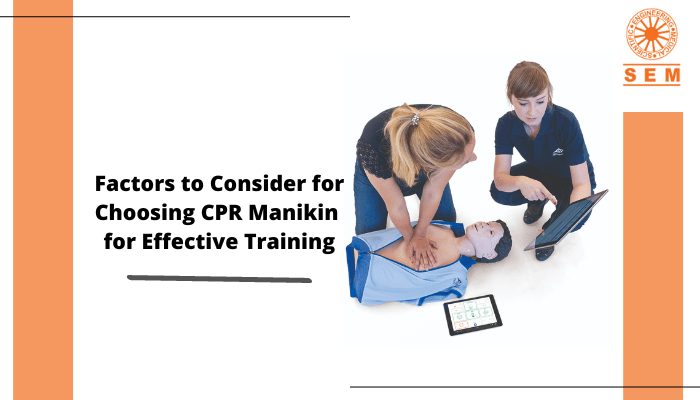
7 Key Factors to Consider When Choosing a CPR Manikin for Effective Training

Did you know that while an ambulance can arrive within 8 minutes, every minute spent without giving someone CPR can decrease their chances of making a full recovery by around 10%?

CPR is possibly one of the most useful skills to have. Yet most bystanders won’t attempt CPR because they are afraid to do it wrong. But essentially, even 9-year-olds have the capacity to effectively give CPR.

What is CPR?

Cardiopulmonary resuscitation (CPR) is a lifesaving technique that can be used in emergencies to help revive someone who has experienced cardiac arrest or a similar life-threatening event. Proper training in CPR is essential for anyone who might need to perform it, whether they are healthcare professionals, first responders, or laypeople. And choosing the right CPR manikin is the first step to effective CPR training. In this article, we will discuss the factors to consider when selecting a CPR manikin.

Factors to Consider While Choosing CPR Manikin for Effective Training

1. Realism and Features

The first factor to consider when choosing a CPR manikin is its realism and the features it comes with. A realistic manikin will provide a more accurate simulation of a real-life emergency situation and will better prepare trainees for the challenges they might face when performing CPR on a live patient. Features like a realistic airway, chest rise, and fall, and the ability to simulate breathing or coughing also contribute to a manikin’s realism. A manikin with a variety of features will allow trainees to practice a wider range of scenarios, increasing their confidence and competence. Although it’s important to consider how many features you actually need. While sometimes, you may end up with a manikin with too many features that will end up never being used, other times, you might buy a manikin with fewer features and then later have to buy another one or a part to extend its capabilities.

2. Durability and Maintenance

Another important factor to consider is the durability and maintenance of the manikin. A well-constructed manikin will withstand frequent use and abuse and will last longer than a cheaper, less well-made model. The maintenance requirements of the manikin should also be taken into account, including cleaning and storage, to ensure that it remains in good condition and ready for use as it will be used by hundreds over time.

3. Ease of Use

You also need to consider whether the manikin is easy to use. Trainees should be able to set up and use the manikin without difficulty, and the manikin should be easy to adjust to meet the needs of each individual trainee. A manikin that is too complex or difficult to use might discourage trainees and reduce their engagement in the training process, defeating its purpose.

4. Cost

The cost of a CPR manikin is an important factor to consider, but it should not be the only one. Cheaper models might be more affordable, but they might also lack important features or be less durable. On the other hand, more expensive models might have more features than necessary for your specific training needs. It is important to find a balance between affordability and quality to ensure that the manikin you choose meets your training needs and budget.

5. Portability

Portability is another factor to consider, especially if you need to transport the manikin to different locations for training sessions. A portable manikin should be easy to transport and set up, and it should not be too heavy or bulky to handle. The portability of the manikin will also affect its storage requirements, as a smaller, more compact model will require less space to store.

6. Feedback Mechanism

A feedback mechanism can be a helpful tool for trainees to receive instant, real-time feedback on the effectiveness of their CPR technique. A manikin with a feedback mechanism can provide information on the depth and rate of chest compressions, the quality of the ventilation, and other important metrics that can help trainees improve their technique. Some feedback mechanisms are integrated into the manikin, while others require additional equipment or software.

7. Compatibility with Training Programs

The manikin you choose should be compatible with the training programs you plan to use. Some manikins might be designed for specific training programs or might be more suited to certain types of training, such as advanced life support (ALS) or pediatric life support (PALS). It is important to choose a manikin that will allow you to fully implement the training programs you plan to use, and that will provide the best possible training experience for your trainees.

Choosing the right CPR manikin is an important factor in effective CPR training. When selecting a manikin, it is important to consider factors like realism and features, durability and maintenance, ease of use, cost, portability, feedback mechanism, and compatibility with training programs. By taking these factors into account, you can choose a manikin that meets your training needs and budget, and that will help prepare trainees respond effectively in real-life emergency situations.

Sem Trainers & Systems